parool
FIOD arrests 39-year-old entrepreneur on suspicion of supplying criminals in North Sea Canal area
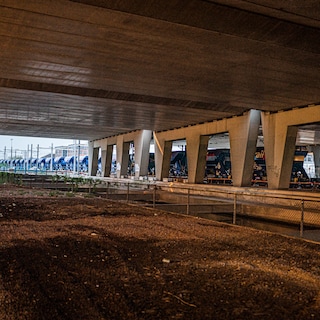

The Dutch housing market is seeing a cooling trend as rising mortgage interest rates reduce the frequency of overbidding. While buyers have more breathing room, industry experts caution that this shift is driven by current financial pressures and could reverse if interest rates drop.
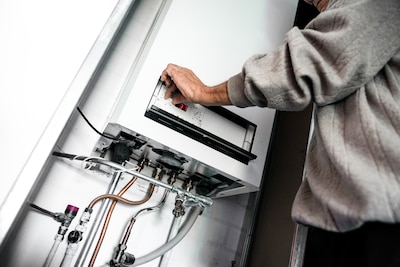
Natural gas prices in the Netherlands are climbing toward 2 euros per cubic meter due to international market pressures and rising costs. Consumers are increasingly seeking long-term fixed contracts to protect against further potential price hikes as winter approaches.
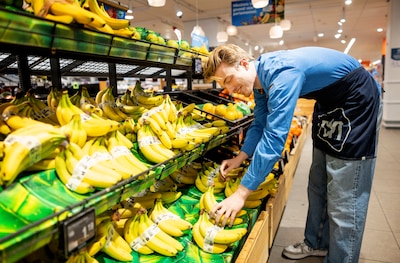
Dutch supermarket chain Albert Heijn recently experienced a significant cyber incident that forced them to take many internal systems offline. The disruption impacted both warehouse operations and retail staff, who faced logistical challenges and increased stress while managing store supplies without standard digital tools.

NU.nl is hiring a reporter specializing in social economy and healthcare to produce original, investigative stories for its audience. The full-time position requires three years of experience and is based in Amsterdam-Duivendrecht.
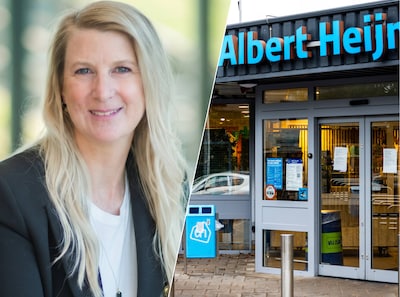
Albert Heijn has suspended all online grocery deliveries until at least Tuesday due to a cyber incident that also took down its websites and apps. While the supermarket reports no evidence of data theft, authorities are urging the company to file an official police report to support the ongoing investigation.
We would like to use Google Analytics cookies to see how the site is used. They are optional — decline and no cookies are set. Privacy Policy