parool
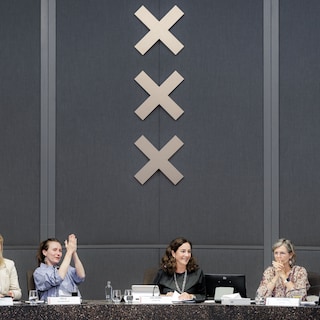
Ironically, the appointment of the district administrators will likely prove the simplest part of the reform
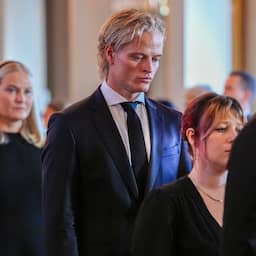
Marius Borg Høiby, the son of Crown Princess Mette-Marit of Norway, has decided not to appeal the extension of his pre-trial detention. He made this decision following the death of his step-grandfather, King Harald.
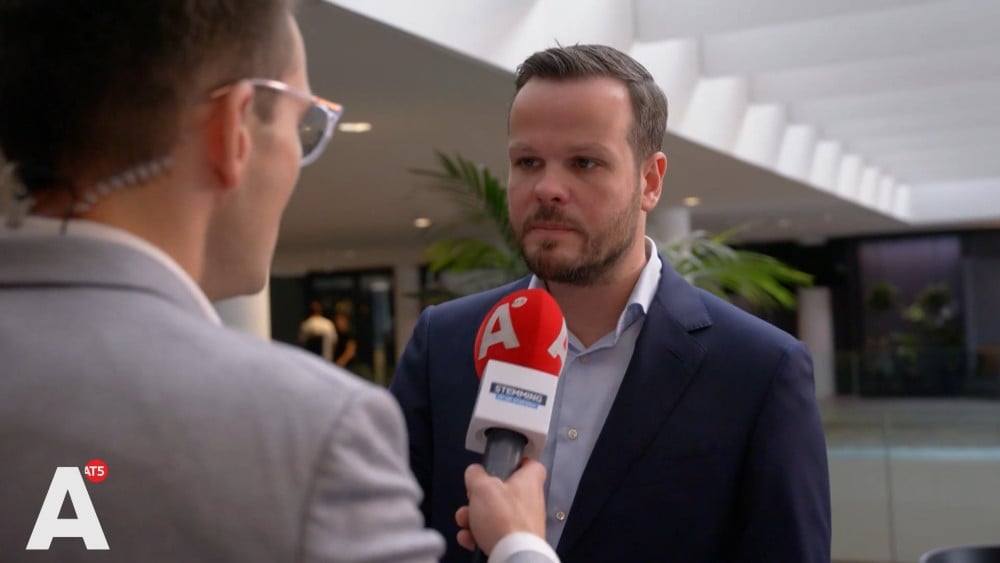
VVD faction leader Daan Wijnants has expressed doubts about the construction of the Oostbrug in Amsterdam due to rising costs, which are now projected to reach up to one billion euros. He argues that the Westbrug is a higher priority for housing and public transport, leading to a debate in the city council regarding the project's viability and transparency.
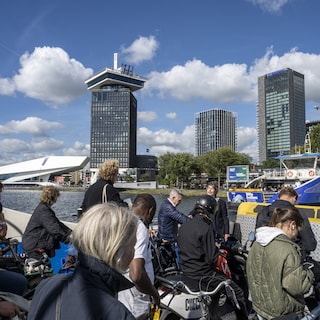
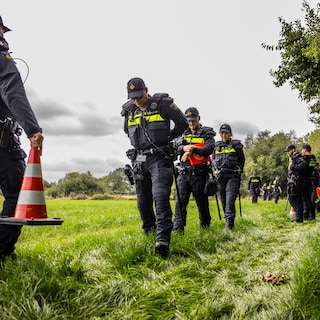

The Dutch government has designated the Schalkwijk area in Haarlem as a 'National Large-scale Housing Location' to accelerate the construction of over 5,000 new homes. This status provides the municipality with additional support from the central government to address housing shortages by developing sustainable neighborhoods and new public transport infrastructure.
We would like to use Google Analytics cookies to see how the site is used. They are optional — decline and no cookies are set. Privacy Policy