haarlemsdagblad

Bodies recovered after Iranian navy ship sinks off Sri Lanka
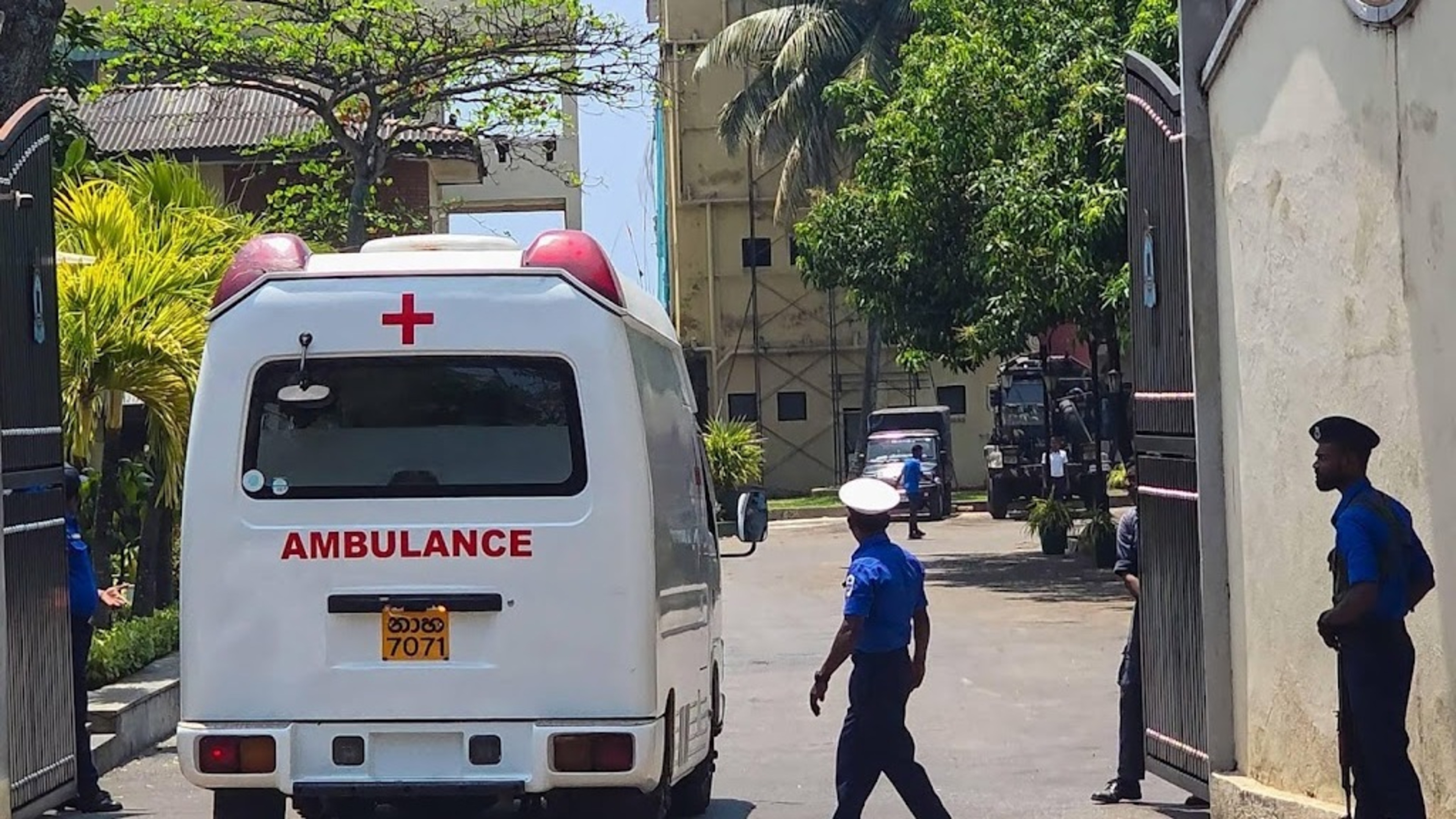
Bodies recovered after Iranian navy ship sinks off Sri Lanka

Multiple bodies have been recovered following the sinking of an Iranian naval vessel off the coast of Sri Lanka. Rescue efforts are currently ongoing, although the exact number of casualties and missing persons remains unclear.

Related articles

Utrecht University grants scholarships to seven students from Gaza

Utrecht University grants scholarships to seven students from Gaza

Utrecht University has awarded scholarships to seven students from Gaza, allowing them to pursue their studies at the institution. The university confirmed on its website that all seven students have already arrived in Utrecht.

First Ebola case confirmed in France following DRC outbreak

First Ebola case confirmed in France following DRC outbreak

A doctor who recently returned from the Democratic Republic of the Congo has been confirmed as the first Ebola case in France since the latest outbreak. The health ministry reported that the physician had been working in the DRC before traveling back to French territory.

Code orange in effect for much of the Netherlands due to extreme heat

Code orange in effect for much of the Netherlands due to extreme heat

A code orange weather warning for extreme heat went into effect across a large part of the Netherlands at midday on Tuesday. The alert, which was previously announced on Monday, is expected to remain in place until Friday morning.

Car completely burnt out on N205 near Hoofddorp, road temporarily closed

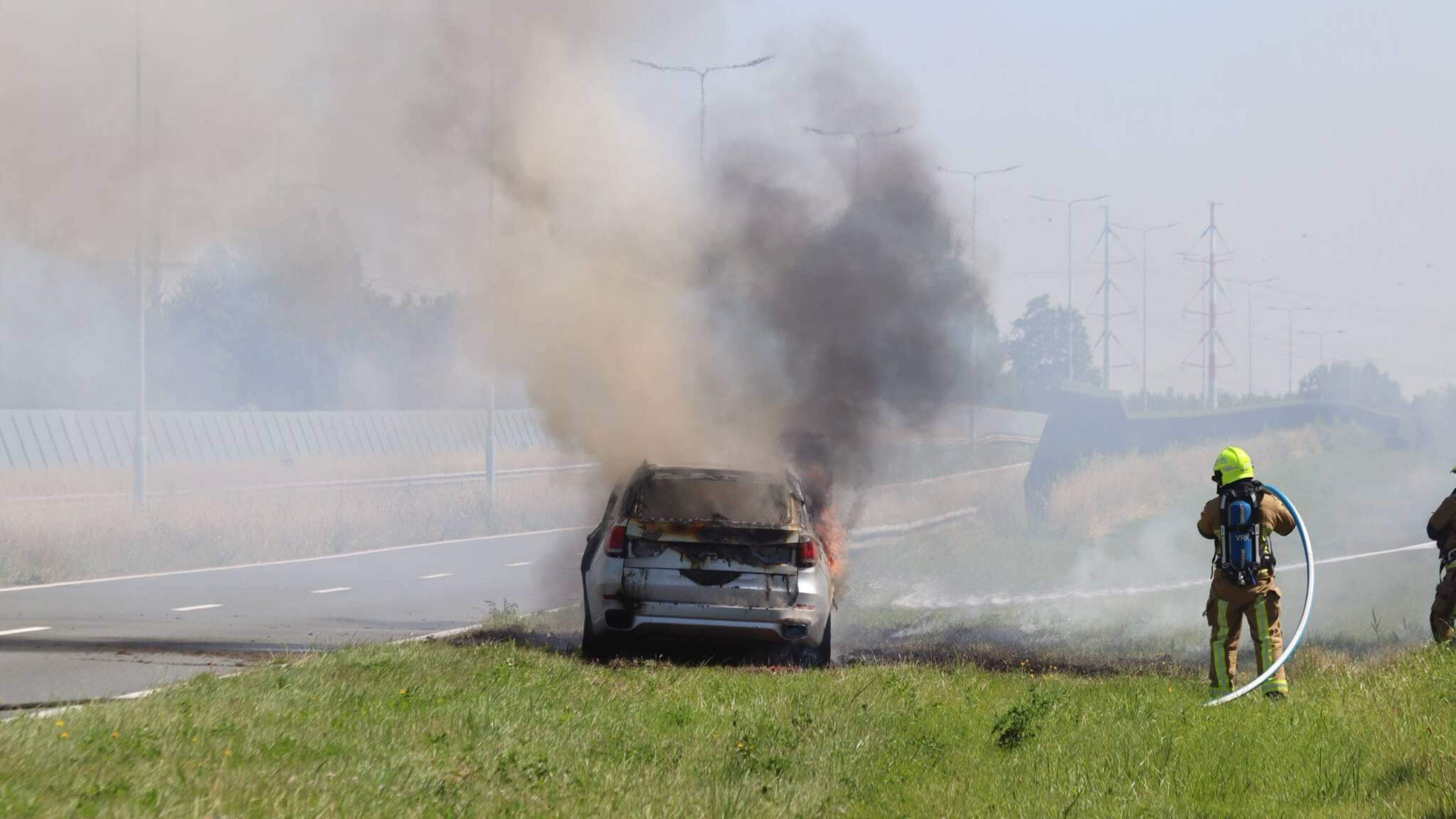
Car completely burnt out on N205 near Hoofddorp, road temporarily closed

A passenger car caught fire on the N205 near Hoofddorp on Wednesday morning, leading to a temporary closure of the road. No injuries were reported in the incident.

Shallow groundwater contaminated in far more places than expected

Shallow groundwater contaminated in far more places than expected

Shallow groundwater in the Netherlands is contaminated with pollutants such as pesticides, medicines, and PFAS in significantly more locations than previously estimated. These findings, reported by the water company Vitens, resulted from a five-year study using a new monitoring network in groundwater protection zones.