Easing EU emissions rules barely helps industry, while emissions rise
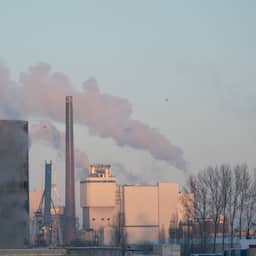
A report from the Netherlands Bureau for Economic Policy Analysis states that proposed EU emissions regulation changes will likely lead to a 33 percent increase in carbon emissions. The analysis suggests these measures will fail to provide meaningful economic relief to industrial companies while undermining climate goals.
A recent analysis by the Netherlands Bureau for Economic Policy Analysis (CPB) indicates that proposed revisions to the European Union's emissions trading system (ETS) will likely fail to support industry while increasing overall carbon emissions. The European Commission's plan to slow the reduction of free CO2 emission allowances after 2030 aims to help companies remain competitive against international rivals. However, the CPB report warns that this policy change will lead to a 33 percent increase in CO2 emissions compared to previous trajectories.
Furthermore, the study suggests that the policy will not significantly offset the financial strain caused by recent gas price hikes. By making more allowances available after 2030, the price of carbon is expected to become more volatile rather than cheaper for industries. With negotiations ongoing in Brussels, experts question the effectiveness of these measures in achieving meaningful environmental progress while maintaining industrial stability.
Based on reporting by nu. Translated and condensed by LocalHeadlines.