nu

Inspectorate threatens McDonald's with multi-million euro fine over disposable cups
Inspectorate threatens McDonald's with multi-million euro fine over disposable cups

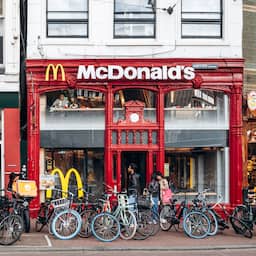
The Dutch Inspectorate has ordered McDonald's to stop using disposable cups for dine-in customers by January 2027 or face weekly fines of 625,000 euros. The company has agreed to switch back to reusable cups, ending a period of non-compliance that resulted in millions of discarded cups annually.

The Dutch Human Environment and Transport Inspectorate (ILT) has issued a warning to McDonald's regarding its persistent use of disposable cups for dine-in customers, which violates regulations introduced in 2024. Despite initial efforts to implement reusable options, the fast-food chain reverted to disposables, leading to an estimated 80 million discarded cups annually. The ILT has mandated that the company comply with the law by January 5, 2027. Failure to adhere to these rules will result in weekly fines of 625,000 euros, up to a maximum total of 3.75 million euros.

McDonald's has since confirmed it will shift back to reusable cups for dine-in services, citing the need for time to manage logistics and washing capacity. While environmental groups like the Fair Resource Foundation welcome the move, they have criticized the company for its delayed compliance and past lobbying against plastic waste regulations. McDonald's maintains that current rules do not fully align with the operational realities of fast-service restaurants but will comply to avoid the impending financial penalties.

Based on reporting by nu. Translated and condensed by LocalHeadlines.
Related articles

The 100-year history of Hema is quintessentially Amsterdam

The 100-year history of Hema is quintessentially Amsterdam

The Dutch retail chain HEMA is celebrating its 100th anniversary since opening its first store in Amsterdam in 1926. The company, known for its household goods and the popular rookworst sandwich, has evolved over the century to serve a diverse range of customers.

Rembrandt House Museum struggles with falling visitor numbers due to rising hotel VAT and tourist tax: ‘This policy is killing us and the entire city’

Rembrandt House Museum struggles with falling visitor numbers due to rising hotel VAT and tourist tax: ‘This policy is killing us and the entire city’

Amsterdam's cultural sector is voicing strong opposition to rising tourist taxes and VAT increases, which are blamed for a significant drop in international museum attendance. The Rembrandthuis is among the institutions facing financial strain due to these policies and a negative shift in public attitude toward visitors.

Wikipedia concerned about AI in search engines: fewer visitors and higher risk of disinformation

Wikipedia concerned about AI in search engines: fewer visitors and higher risk of disinformation

Wikipedia is reporting a significant drop in website traffic following the introduction of AI-powered search summaries, raising concerns about a potential decline in future volunteers and donations. Experts and officials also warn that these AI tools risk spreading misinformation and reducing the reach of reliable sources like official government websites.

Not selling out is not a death blow for festival: 'But be careful not to price yourself out of the market'

Not selling out is not a death blow for festival: 'But be careful not to price yourself out of the market'

Festival organizations in the Netherlands faced a challenging summer marked by extreme weather, rising operational costs, and fluctuating ticket sales. Despite these significant hurdles, industry professionals remain optimistic due to the sector's inherent creativity and ability to adapt to difficult circumstances.

Not just IDFA: Amsterdam’s wider cultural sector hit by rising hotel costs as tourist tax hike drives away key visitors

Not just IDFA: Amsterdam’s wider cultural sector hit by rising hotel costs as tourist tax hike drives away key visitors

Amsterdam's cultural sector, including major events like IDFA, ADE, and the Holland Festival, is struggling due to rising tourist taxes and hotel VAT. These increased costs are forcing organizers to raise ticket prices and reduce programming, threatening the accessibility and quality of the city's cultural offerings.