One in three mothers of premature babies develops PTSD, study finds
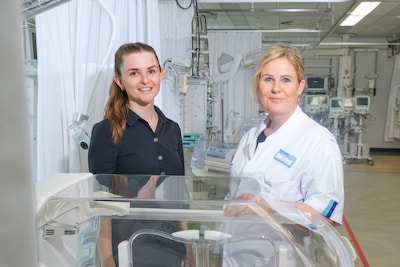
A national study reveals that one in three mothers and one in six fathers of premature babies develop PTSD following their child's intensive care unit stay. Researchers suggest that the high-stress environment and the uncertainty of an infant's health contribute to these lasting psychological effects, highlighting a need for better parental support.
A nationwide study led by psychologist Kirsten Muller at Erasmus MC has found that parents of premature infants face significant psychological risks due to their child's intensive care unit stay. The research reveals that one in three mothers and one in six fathers develop symptoms of PTSD, while also facing a higher risk of depression. Factors such as the high-stress environment of the NICU, the instability of the infant's health, and shared treatment rooms contribute to the trauma experienced by families.
Experts note that these mental health struggles can persist for years, with parents often suffering from anxiety, sleep disturbances, or emotional triggers related to hospital sounds. Mothers are disproportionately affected, often dealing with guilt and a stronger presence on the ward. Researchers are now calling for improved support systems before, during, and after hospital stays, as parents often fail to link their long-term psychological issues to the early birth. Providing mental health care is viewed as essential for both the well-being of the parents and the development of their children.
Based on reporting by ad. Translated and condensed by LocalHeadlines.