Newborns in Amsterdam receive heel prick test late due to staff shortages at GGD
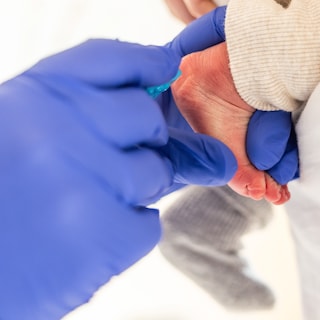
Newborns in Amsterdam are facing delays in receiving mandatory heel prick screenings due to severe staff shortages and an unexpected increase in birth rates. The GGD is working to address the backlog, which has been exacerbated by extreme summer heat affecting sample reliability, to ensure timely diagnosis and treatment.
GGD Amsterdam is currently experiencing significant delays in performing mandatory newborn heel prick screenings due to a combination of staff shortages and a notable surge in local birth rates. While these tests are typically conducted between the fourth and seventh days of a baby's life to detect rare, hereditary conditions, some infants are now waiting ten days or longer. The issue was further complicated by an unusually hot summer, which necessitated repeat tests because the extreme temperatures impacted the reliability of initial blood samples taken from newborns in Amsterdam and surrounding municipalities.
Health officials acknowledge that delayed diagnosis can have serious implications for infants who require early treatment or specific dietary interventions to prevent long-term physical or mental impairments. In response to the growing backlog, the GGD has deployed additional staff and is maintaining close communication with midwives and the RIVM to manage the situation. The organization is also reviewing its operational structure to ensure it can better handle future fluctuations in birth numbers and extreme weather events.
Based on reporting by parool. Translated and condensed by LocalHeadlines.