nu

Drought causes significant drop in freight transport on Dutch rivers
Drought causes significant drop in freight transport on Dutch rivers

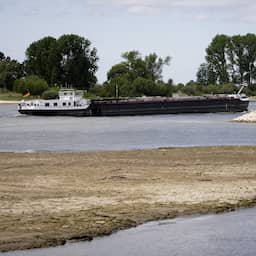
Historic low water levels in Dutch rivers during the summer caused a major decline in inland shipping, with cargo volumes dropping nearly 19 percent in August. The crisis particularly impacted international trade, as reduced vessel capacity led to significantly higher transport costs and logistical challenges.

Extreme drought throughout the summer caused record-low water levels in Dutch rivers, severely disrupting inland shipping logistics. According to data from the national statistics bureau, August saw a total of 21.8 million tons of goods transported, marking an 18.8 percent decline compared to the previous year and the lowest volume for the month in fifteen years. The Rhine, which recorded its lowest water levels ever at Lobith, was the most affected route, forcing vessels to carry significantly lighter loads to navigate safely.

While the total number of trips actually increased by 3.4 percent, the reduced capacity meant individual vessels carried far less cargo, often requiring multiple ships to move goods that would usually fit on one. This caused transport costs to skyrocket, leading some companies to postpone shipments. International trade routes between the Netherlands and abroad suffered the most significant impact, with trade volumes to and from Germany dropping by nearly 40 and 50 percent respectively, while domestic transport remained stable.

Based on reporting by nu. Translated and condensed by LocalHeadlines.
Related articles

Hotel chain Fletcher acquired by international hotel operator

Hotel chain Fletcher acquired by international hotel operator

The Dutch hotel chain Fletcher Hotels has been acquired by international operator Sunday PropTech. The deal includes the purchase of all shares from the previous owner, Egeria, and the company's management.

Fewer packages from Asia for PostNL, which again advocates for three-day letter delivery in the Netherlands

Fewer packages from Asia for PostNL, which again advocates for three-day letter delivery in the Netherlands

PostNL reports a 32 percent decline in parcel volumes from Asian retailers due to new European customs fees, despite seeing a slight rise in overall quarterly revenue. The company is simultaneously pressing the Dutch government for a transition to three-day mail delivery and seeking 148 million euros in compensation to support the change.

Dutch people ordering far fewer packages from abroad via PostNL

Dutch people ordering far fewer packages from abroad via PostNL

PostNL reports a 32 percent decline in parcel deliveries from outside the EU following the implementation of a new import fee. To cope with shrinking mail volumes, the company has shifted to a two-day standard delivery service and is seeking government support to cover operational costs.

Demand for Chinese cars is surging; German and French manufacturers fall behind

Demand for Chinese cars is surging; German and French manufacturers fall behind

Chinese car sales in the Netherlands have more than doubled this year, significantly impacting traditional European manufacturers. Strong demand for affordable, feature-rich electric and hybrid vehicles, supported by partnerships with local dealers, has propelled China to become a leading player in the Dutch automotive market.

Financial stress grows as temperatures drop: 'Heating stays off'

Financial stress grows as temperatures drop: 'Heating stays off'

Rising energy costs are forcing many low-income Dutch households to keep their heating turned off, leading to significant financial and health concerns. While the government is launching an emergency energy fund, critics argue that the criteria for aid exclude the most vulnerable individuals who avoid using heat altogether to save money.