nu

Basic-Fit buys clubs in Germany and Austria for 26 million
Basic-Fit buys clubs in Germany and Austria for 26 million

Basic-Fit has acquired 26 fitness clubs across Austria and Germany for 26 million euros. The company plans to rebrand these locations to match its existing club model and strengthen its market presence in both countries.

The fitness giant Basic-Fit has announced the acquisition of the Austrian gym chain Speedfit, which includes eighteen locations, and eight clubs from the German operator Kraftwerk. This deal, valued at 26 million euros, involves approximately ten thousand members who will be transitioned to the Basic-Fit model. The company plans to rebrand and convert all these newly acquired gyms into its own branded locations over the coming period to ensure consistent pricing and operations.

This strategic expansion is intended to bolster Basic-Fit's position in Central Europe, moving the firm closer to market leadership in Austria where its footprint will increase from 33 to 51 clubs. In Germany, the acquisition brings their total count to 122 facilities, following previous growth earlier this summer. Basic-Fit currently maintains its status as Europe's largest fitness operator, managing a network of over 2,150 locations and serving more than six million subscribers across the continent.

Based on reporting by nu. Translated and condensed by LocalHeadlines.
Related articles

Dutch people ordering far fewer packages from abroad via PostNL

Dutch people ordering far fewer packages from abroad via PostNL

PostNL reports a 32 percent decline in parcel deliveries from outside the EU following the implementation of a new import fee. To cope with shrinking mail volumes, the company has shifted to a two-day standard delivery service and is seeking government support to cover operational costs.

Demand for Chinese cars is surging; German and French manufacturers fall behind

Demand for Chinese cars is surging; German and French manufacturers fall behind

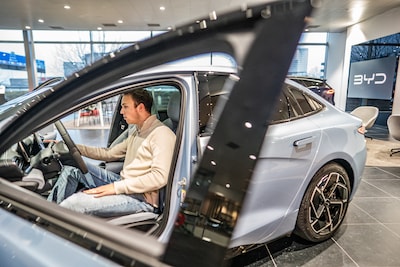
Chinese car sales in the Netherlands have more than doubled this year, significantly impacting traditional European manufacturers. Strong demand for affordable, feature-rich electric and hybrid vehicles, supported by partnerships with local dealers, has propelled China to become a leading player in the Dutch automotive market.

Financial stress grows as temperatures drop: 'Heating stays off'

Financial stress grows as temperatures drop: 'Heating stays off'

Rising energy costs are forcing many low-income Dutch households to keep their heating turned off, leading to significant financial and health concerns. While the government is launching an emergency energy fund, critics argue that the criteria for aid exclude the most vulnerable individuals who avoid using heat altogether to save money.

The 100-year history of Hema is quintessentially Amsterdam

The 100-year history of Hema is quintessentially Amsterdam

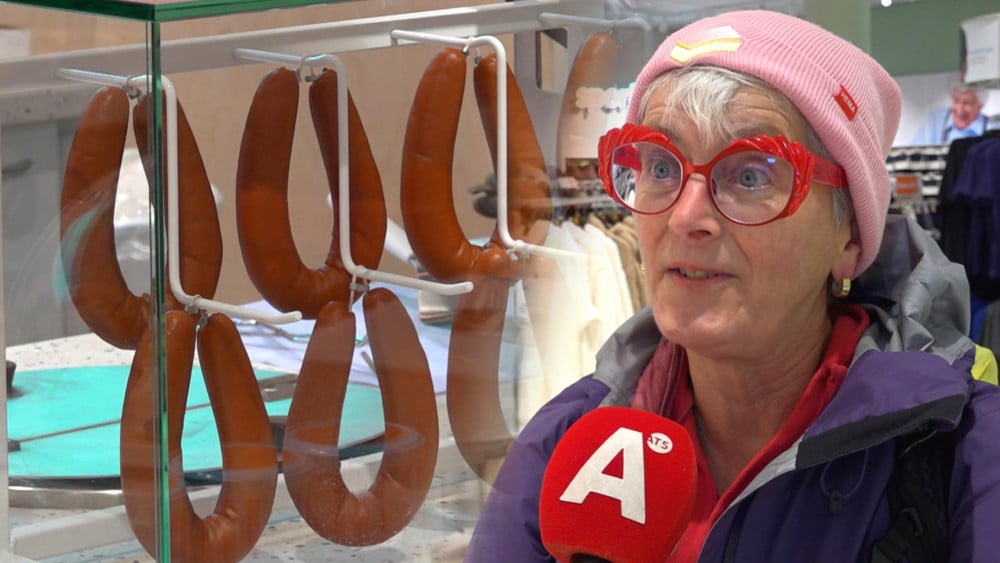
The Dutch retail chain HEMA is celebrating its 100th anniversary since opening its first store in Amsterdam in 1926. The company, known for its household goods and the popular rookworst sandwich, has evolved over the century to serve a diverse range of customers.

Energy prices continue to rise and the outlook for next year remains bleak

Energy prices continue to rise and the outlook for next year remains bleak

Energy prices in the Netherlands have spiked due to conflict in the Middle East, leading to significantly higher costs for both one-year and long-term energy contracts. Many consumers are now turning to three-year fixed contracts for stability, though these carry risks if market prices eventually decline.