ad

ECB raises interest rates for the second time this year after three years without adjustments
ECB raises interest rates for the second time this year after three years without adjustments

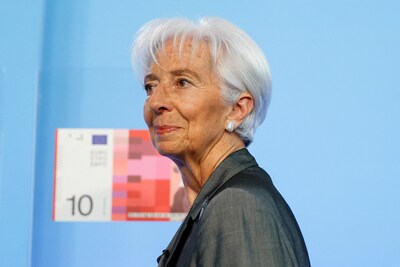
The European Central Bank has raised interest rates by a quarter percentage point to 2.5 percent to combat inflation, which hit 3.3 percent in August. This second hike of the year reflects ongoing concerns over fuel prices and geopolitical instability, resulting in higher mortgage and savings rates for consumers.

The European Central Bank has implemented its second interest rate hike of the year, raising its benchmark rate by a quarter percentage point to 2.5 percent. This decision aims to combat persistent inflation in the eurozone, which reached 3.3 percent in August due to rising global fuel costs linked to conflict in the Middle East. The central bank expects inflation to remain above its 2 percent target for some time, prompting higher borrowing costs for consumers and businesses alike.

Financial institutions are already passing these increased costs on to customers, resulting in higher mortgage and savings rates. While policymakers remain divided on future adjustments, the ECB has raised its inflation projections for the coming year to 2.6 percent. Conversely, the bank slightly improved its economic growth forecasts for the eurozone, citing unexpected resilience within the region. Uncertainty regarding further rate hikes remains, as officials weigh the necessity of curbing price pressures against the potential impact of global geopolitical tensions on the economy.

Based on reporting by ad. Translated and condensed by LocalHeadlines.

Related articles

Dutch people ordering far fewer packages from abroad via PostNL

Dutch people ordering far fewer packages from abroad via PostNL

PostNL reports a 32 percent decline in parcel deliveries from outside the EU following the implementation of a new import fee. To cope with shrinking mail volumes, the company has shifted to a two-day standard delivery service and is seeking government support to cover operational costs.

Demand for Chinese cars is surging; German and French manufacturers fall behind

Demand for Chinese cars is surging; German and French manufacturers fall behind

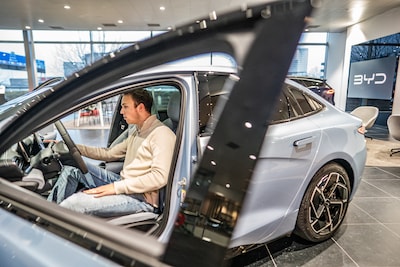
Chinese car sales in the Netherlands have more than doubled this year, significantly impacting traditional European manufacturers. Strong demand for affordable, feature-rich electric and hybrid vehicles, supported by partnerships with local dealers, has propelled China to become a leading player in the Dutch automotive market.

Financial stress grows as temperatures drop: 'Heating stays off'

Financial stress grows as temperatures drop: 'Heating stays off'

Rising energy costs are forcing many low-income Dutch households to keep their heating turned off, leading to significant financial and health concerns. While the government is launching an emergency energy fund, critics argue that the criteria for aid exclude the most vulnerable individuals who avoid using heat altogether to save money.

The 100-year history of Hema is quintessentially Amsterdam

The 100-year history of Hema is quintessentially Amsterdam

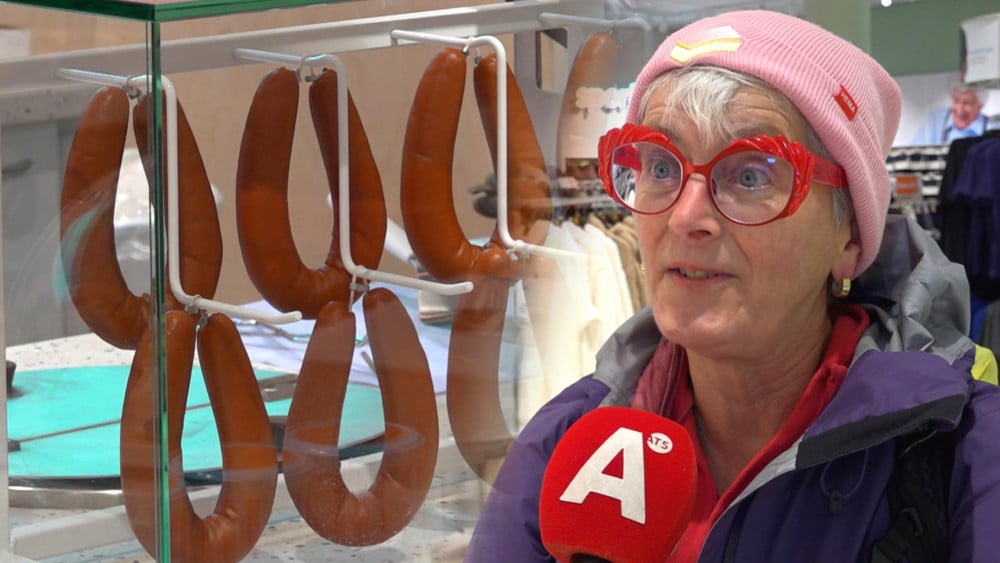
The Dutch retail chain HEMA is celebrating its 100th anniversary since opening its first store in Amsterdam in 1926. The company, known for its household goods and the popular rookworst sandwich, has evolved over the century to serve a diverse range of customers.

Energy prices continue to rise and the outlook for next year remains bleak

Energy prices continue to rise and the outlook for next year remains bleak

Energy prices in the Netherlands have spiked due to conflict in the Middle East, leading to significantly higher costs for both one-year and long-term energy contracts. Many consumers are now turning to three-year fixed contracts for stability, though these carry risks if market prices eventually decline.