nu

AI makers use doomsday scenarios to push for regulations that strengthen their position

AI makers use doomsday scenarios to push for regulations that strengthen their position

Major AI industry leaders are calling for slower development and increased regulation, citing potential existential risks from advanced superintelligence. Critics argue this approach serves as a strategic marketing move and a way for large companies to cement their market dominance, while geopolitical competition from nations like China continues to drive the global AI race.

Prominent AI industry leaders, including the CEOs of Anthropic, OpenAI, and Microsoft, are calling for a slowdown in the development of AI models due to potential existential risks. Critics and researchers suggest these warnings are partially a marketing tactic used to emphasize the immense power of their technology while deflecting attention from current, concrete issues. Experts note that these firms may be advocating for specific regulations that actually strengthen their market position by creating barriers to entry that only large corporations can meet.

International political pressure complicates the situation, as both the United States and China show no intention of slowing their AI progress due to perceived geopolitical stakes. While some Dutch academics argue that companies should lead by example if the risks are truly catastrophic, they acknowledge that a move toward formal regulation is necessary. Comparing AI to industries like aviation and pharmaceuticals, researchers emphasize that the focus must shift from dystopian narratives to implementing practical, enforceable safety measures, similar to those already mandated by the European AI Act.

Based on reporting by nu. Translated and condensed by LocalHeadlines.

Related articles

Dutch people in Silicon Valley also feel impact of Donald Trump’s policies: 'Tariffs are very chaotic'

Dutch people in Silicon Valley also feel impact of Donald Trump’s policies: 'Tariffs are very chaotic'

Dutch expatriates working in Silicon Valley have expressed concerns regarding the unpredictable policies of Donald Trump, citing chaotic trade tariffs and sudden budget freezes. As the midterm elections approach, these professionals continue to navigate the professional challenges posed by the current administration's political climate.

Crypto company sues Trump and his crypto business for corruption

Crypto company sues Trump and his crypto business for corruption

Shareholder Benjamin Greenberg has sued Donald Trump, alleging that his cryptocurrency firm World Liberty Financial accepted illegal foreign payments. The lawsuit claims these transactions violate the U.S. Constitution and raise serious concerns regarding corruption and conflicts of interest during Trump's presidency.

European Commission launches investigation into Booking.com over failure to tackle fraud

European Commission launches investigation into Booking.com over failure to tackle fraud

The European Commission has opened an investigation into Booking.com over concerns that the travel platform is failing to adequately combat fraud and phishing scams. The inquiry aims to ensure the company complies with the Digital Services Act, which mandates that online platforms prioritize user protection and transparency.

Danish supplier is the common denominator behind the warming cooling systems

Danish supplier is the common denominator behind the warming cooling systems

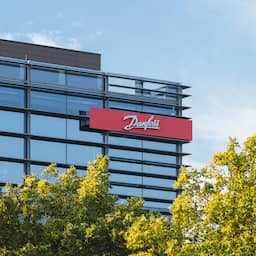
A cyberattack on refrigeration systems supplied by the Danish company Danfoss has disrupted operations at various European supermarkets and businesses. European officials are investigating the incident as a deliberate attempt to interfere with the continent's food supply, while the company maintains that users failed to update vulnerable software.

Mystery surrounds hacked supermarket cooling systems: 'Who stands to gain?'

Mystery surrounds hacked supermarket cooling systems: 'Who stands to gain?'

Supermarket cooling systems across Europe were targeted by a cyberattack that remotely disabled temperature controls, leading to widespread food spoilage and significant financial losses. Security experts remain uncertain about the perpetrators' motives, as the systems were vulnerable due to outdated security protocols and direct internet access.