rss

Continued concerns for farmer Willem from Ransdorp after sewer collapse: "I'm keeping a close eye on my livestock"

Continued concerns for farmer Willem from Ransdorp after sewer collapse: "I'm keeping a close eye on my livestock"

Following a major sewer collapse that released 36,000 cubic meters of wastewater into the Ransdorp area, local farmers remain uncertain about the safety of their livestock. Residents have expressed frustration over a lack of clear communication and warning signs from the authorities as they await water quality test results.

On August 30, a major sewer pipe burst near Zuiderzeeweg, releasing approximately 36,000 cubic meters of wastewater into the Weersloot area. This environmental incident has caused significant concern among local farmers, including Willem Honingh from Ransdorp, who fears his livestock could be poisoned by contaminated water. In response, Honingh is keeping his calves inside to prevent them from drinking from potentially polluted ditches, noting a lack of clear warnings or signage in the area. Further uncertainty persists as water quality test results are delayed by 15 days.

Local authorities, including the municipality, Waternet, and the Hoogheemraadschap Hollands Noorderkwartier, held a community meeting that left many residents feeling uninformed. The Amsterdam VVD has since raised questions regarding communication and the potential impact of the spill on both humans and animals. While investigations into the cause and environmental consequences are ongoing, Waternet and the water board have acknowledged the criticism regarding their communication strategy and are working to monitor water quality and repair the damaged infrastructure.

Based on reporting by rss. Translated and condensed by LocalHeadlines.

Related articles

City will not appeal against new and broader Schiphol rules, alderman wants enforcement

City will not appeal against new and broader Schiphol rules, alderman wants enforcement

The municipality of Amsterdam will not legally challenge the new national regulations for Schiphol Airport, despite concerns that the rules may increase noise pollution. Councilor Sofyan Mbarki argues that the updated framework provides necessary mechanisms for regulatory enforcement, even though the city acknowledges the rules do not fully align with its local sustainability goals.

Years of illegal use of Schiphol: environmental groups and local residents take legal action over cabinet plans

Years of illegal use of Schiphol: environmental groups and local residents take legal action over cabinet plans

A coalition of environmental groups and residents has challenged new government regulations for Schiphol Airport at the Council of State. The plaintiffs claim the rules legitimize years of illegal operations and are seeking a mandatory reduction in flight numbers.

Support for chemsex issues collapses after closure of Stichting Mainline

Support for chemsex issues collapses after closure of Stichting Mainline

The closure of Stichting Mainline has severely limited accessible support services for individuals in Amsterdam facing problems related to chemsex. Healthcare providers are now sounding the alarm, warning that the loss of this specialized care leaves a vulnerable group without adequate prevention and assistance.

Stricter rules for holiday rentals to tackle nuisance in residential areas

Stricter rules for holiday rentals to tackle nuisance in residential areas

New Dutch regulations taking effect November 1 require all vacation rental hosts to use a unique registration number and mandate that booking platforms share data with the government. This system is designed to help municipalities combat neighborhood nuisance and better monitor the impact of short-term rentals on the housing market.

Free public transport would cost hundreds of millions: "Furthermore, GVB cannot handle it"

Free public transport would cost hundreds of millions: "Furthermore, GVB cannot handle it"

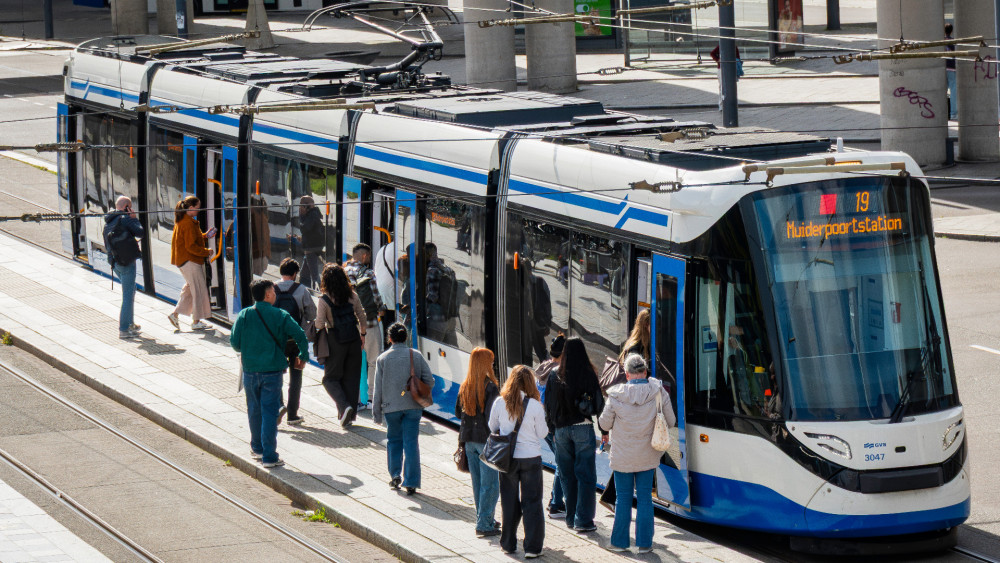
Making public transport free in Amsterdam would cost an estimated 175 to 250 million euros annually, according to the city's executive board. The municipal government opposes the proposal from BIJ1 and the SP, citing budget constraints, potential capacity issues for the GVB, and concerns about decreased cycling and walking.