nu

What Prinsjesdag 2026 means for your wallet
What Prinsjesdag 2026 means for your wallet

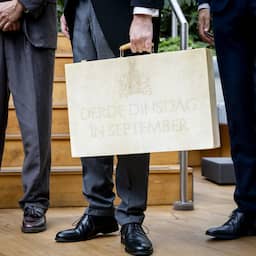
The 2026 Dutch budget plans feature a slight decline in average purchasing power, with changes affecting fuel, aviation, alcohol, and water taxes. Healthcare costs are expected to rise through increased premiums and deductibles, though some relief is provided through enhanced childcare subsidies.

The Dutch government has unveiled its 2026 budget plans, which indicate a slight decline in average purchasing power for most citizens. Key measures include maintaining fuel excise tax discounts for another year, while aviation taxes for long-haul flights will be lower than originally anticipated at 59 euros per passenger. Conversely, taxes on alcohol will rise due to inflation, and the cost of tap water is set to increase by approximately 10 euros annually per household.

Healthcare costs are expected to rise, with monthly insurance premiums projected to reach 197 euros and the mandatory deductible increasing to 400 euros. While working parents will benefit from higher childcare subsidies, income tax burdens for employees are shifting, leading to a projected 0.1 percent average decrease in purchasing power. Meanwhile, tax policies regarding personal assets in box 3 remain uncertain, with further government clarifications expected in the spring. These proposals are subject to final approval by the Dutch parliament before they become law.

Based on reporting by nu. Translated and condensed by LocalHeadlines.

Related articles

Dutch people in Silicon Valley also feel impact of Donald Trump’s policies: 'Tariffs are very chaotic'

Dutch people in Silicon Valley also feel impact of Donald Trump’s policies: 'Tariffs are very chaotic'

Dutch expatriates working in Silicon Valley have expressed concerns regarding the unpredictable policies of Donald Trump, citing chaotic trade tariffs and sudden budget freezes. As the midterm elections approach, these professionals continue to navigate the professional challenges posed by the current administration's political climate.

Council of State criticizes cabinet's Box 3 plan and advises postponement

Council of State criticizes cabinet's Box 3 plan and advises postponement

The Dutch Council of State has issued a critical warning regarding the government's box 3 tax reform proposal, advising against its submission in the current state due to implementation risks and unrealistic timelines. The council suggests delaying the planned 2028 implementation, while the government works to address concerns regarding the feasibility and the financial coverage of the reforms.

Another headache for the beleaguered cabinet: advisor slams box 3 plan

Another headache for the beleaguered cabinet: advisor slams box 3 plan

The Dutch government's plan to reform the box 3 wealth tax has been criticized by the Council of State, which labels the proposal unfeasible and lacking a clear financial basis. The Council recommends delaying the implementation until 2030 to address operational concerns and ensure a more solid system, complicating the government's efforts to reach a political agreement.

Cabinet and opposition head for a showdown: tax chaos looms

Cabinet and opposition head for a showdown: tax chaos looms

The Dutch government and the opposition are currently deadlocked over new tax regulations, creating a significant risk of chaos within the tax authorities. Both sides are refusing to compromise, waiting for the other to yield as the deadline approaches.

Stricter rules for holiday rentals to tackle nuisance in residential areas

Stricter rules for holiday rentals to tackle nuisance in residential areas

New Dutch regulations taking effect November 1 require all vacation rental hosts to use a unique registration number and mandate that booking platforms share data with the government. This system is designed to help municipalities combat neighborhood nuisance and better monitor the impact of short-term rentals on the housing market.