rss

Prinsjesdag 2026: what the Budget Memorandum means for Amsterdam
Prinsjesdag 2026: what the Budget Memorandum means for Amsterdam

The Dutch government’s 2026 budget introduces increased near-term funding for municipalities but signals future budget cuts, impacting Amsterdam's long-term financial planning. While the city welcomes incentives for housing development, it criticizes the national government's lack of support for tackling homelessness and mental healthcare issues.

The Dutch government has unveiled its budget plans for 2026, which carry significant implications for Amsterdam. While municipal funding for 2027 will increase to 49.96 billion euros, projections indicate a steady decline thereafter through 2031. The Amsterdam municipal government expressed cautious optimism regarding initiatives for housing and innovation, but voiced disappointment over insufficient national support for tackling homelessness, mental healthcare, and climate objectives. A notable point of uncertainty remains the funding for the Zuidasdok infrastructure project, as the national budget includes a general infrastructure allocation without confirming specific investment amounts for the site.

Furthermore, the city government welcomed new tax measures expected to provide woningcorporaties with more capacity to build and maintain social housing. Conversely, concerns persist regarding planned national cuts to social security programs like WW and WIA benefits, which have previously prompted labor unrest. As Amsterdam prepares for its own municipal budget announcement, officials remain focused on engaging the cabinet to address local challenges related to urban public safety and the needs of vulnerable citizens.

Based on reporting by rss. Translated and condensed by LocalHeadlines.
Related articles

Stricter rules for holiday rentals to tackle nuisance in residential areas

Stricter rules for holiday rentals to tackle nuisance in residential areas

New Dutch regulations taking effect November 1 require all vacation rental hosts to use a unique registration number and mandate that booking platforms share data with the government. This system is designed to help municipalities combat neighborhood nuisance and better monitor the impact of short-term rentals on the housing market.

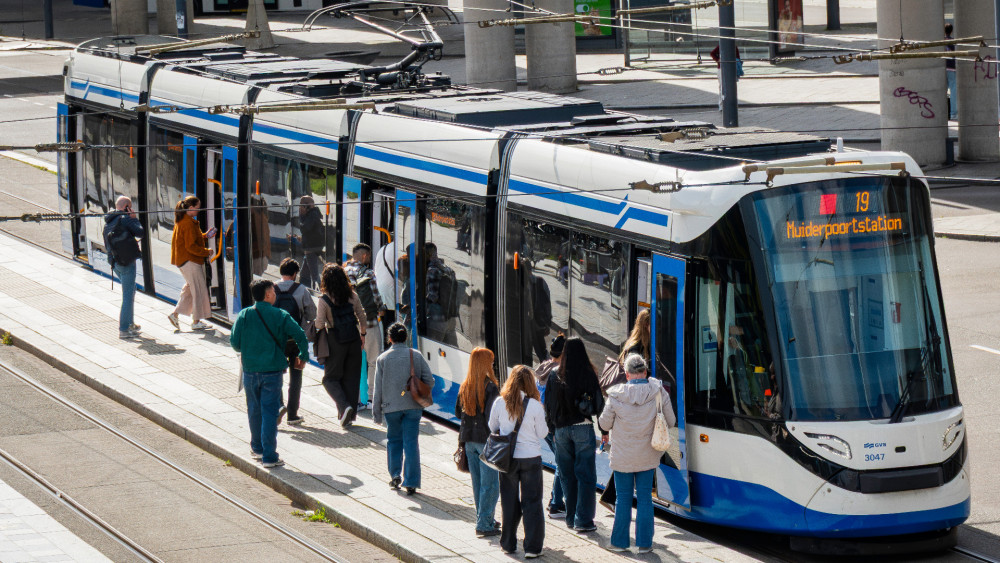
Free public transport would cost hundreds of millions: "Furthermore, GVB cannot handle it"

Free public transport would cost hundreds of millions: "Furthermore, GVB cannot handle it"

Making public transport free in Amsterdam would cost an estimated 175 to 250 million euros annually, according to the city's executive board. The municipal government opposes the proposal from BIJ1 and the SP, citing budget constraints, potential capacity issues for the GVB, and concerns about decreased cycling and walking.

Years of illegal use of Schiphol: environmental groups and local residents take legal action over cabinet plans

Years of illegal use of Schiphol: environmental groups and local residents take legal action over cabinet plans

A coalition of environmental groups and residents has challenged new government regulations for Schiphol Airport at the Council of State. The plaintiffs claim the rules legitimize years of illegal operations and are seeking a mandatory reduction in flight numbers.

Less severe nuisance from Schiphol already reached this year – thanks to rapid arrival of new aircraft

Less severe nuisance from Schiphol already reached this year – thanks to rapid arrival of new aircraft

Schiphol Airport is set to reach its 2029 noise reduction targets years early, largely due to the deployment of quieter, modern aircraft. Additionally, the airport will limit runway substitutions during maintenance next year, which could result in potential flight delays or cancellations for airlines.

Dutch people in Silicon Valley also feel impact of Donald Trump’s policies: 'Tariffs are very chaotic'

Dutch people in Silicon Valley also feel impact of Donald Trump’s policies: 'Tariffs are very chaotic'

Dutch expatriates working in Silicon Valley have expressed concerns regarding the unpredictable policies of Donald Trump, citing chaotic trade tariffs and sudden budget freezes. As the midterm elections approach, these professionals continue to navigate the professional challenges posed by the current administration's political climate.