nu

More and more people are not working, while the group of workers is not growing

More and more people are not working, while the group of workers is not growing

The number of non-working people in the Netherlands is rising due to an aging population and stagnant workforce growth, placing increased financial pressure on the welfare state. While the labor market remains tight with many vacancies, the burden of funding social services is falling on a smaller group of working contributors.

The Netherlands is currently facing a demographic shift where the number of non-working individuals has reached 8.5 million and continues to grow. While the population is increasing, the workforce of 9.6 million people has remained stagnant since 2023. Factors contributing to this trend include an aging population, which places a higher burden on the welfare state, and the arrival of migrants who are not participating in the labor market. Chief economist Peter Hein van Mulligen of the CBS has noted that the costs of the social security system now rely on a smaller group of contributors, with a significant portion of state benefits funded directly from the national treasury.

Economic pressures are further intensified by rising healthcare costs, which consume approximately 10 percent of the gross domestic product. Although the labor market remains tight with 95 vacancies per 100 unemployed people, the number of available workers is not growing. Recent data also highlights a slight decrease in the average working hours for men, while women have shown a marginal increase in their working time over the past four years.

Based on reporting by nu. Translated and condensed by LocalHeadlines.

Related articles

Survivor's pension is becoming more favorable, but you must take action

Survivor's pension is becoming more favorable, but you must take action

Recent changes to the Dutch pension system, introduced by the Future of Pensions Act, have made survivor pensions more consistent by tying them to current salary rather than years of service. While coverage is improved for most, employees must take active steps to register partners and ensure continued coverage during job transitions to avoid potential gaps in financial protection.

Port of Amsterdam applies for permits for eight wind turbines

Port of Amsterdam applies for permits for eight wind turbines

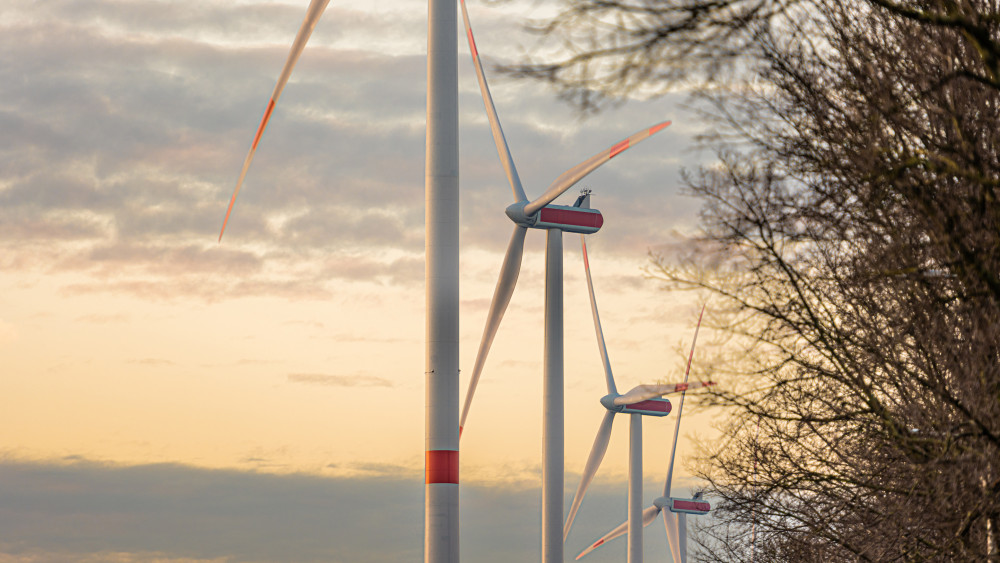
The Port of Amsterdam has applied for permits to install eight 200-meter-tall wind turbines in the Western Port area to increase regional renewable energy production. The Province of North Holland will now review the applications, though approval is not guaranteed given recent regional political conflicts over wind energy projects.

Dutch petrol prices continue to fall, approaching 2.45 euros

Dutch petrol prices continue to fall, approaching 2.45 euros

Petrol prices in the Netherlands have continued their downward trend, with the recommended price for Euro95 reaching approximately 2.45 euros per liter. This decrease follows a record high observed in early October, while diesel prices have also seen a modest decline.

Ajax's financial lead over PSV is also under pressure: 'The brand is shrinking along with the results'

Ajax's financial lead over PSV is also under pressure: 'The brand is shrinking along with the results'

Ajax is struggling to maintain its financial competitiveness against PSV Eindhoven due to high wage costs and an aging squad. The club's reliance on a singular strategic vision under Jordi Cruijff leaves it vulnerable as its brand value tracks with declining on-field performance.

Judge blocks higher municipal tax for canal cruise passengers

Judge blocks higher municipal tax for canal cruise passengers

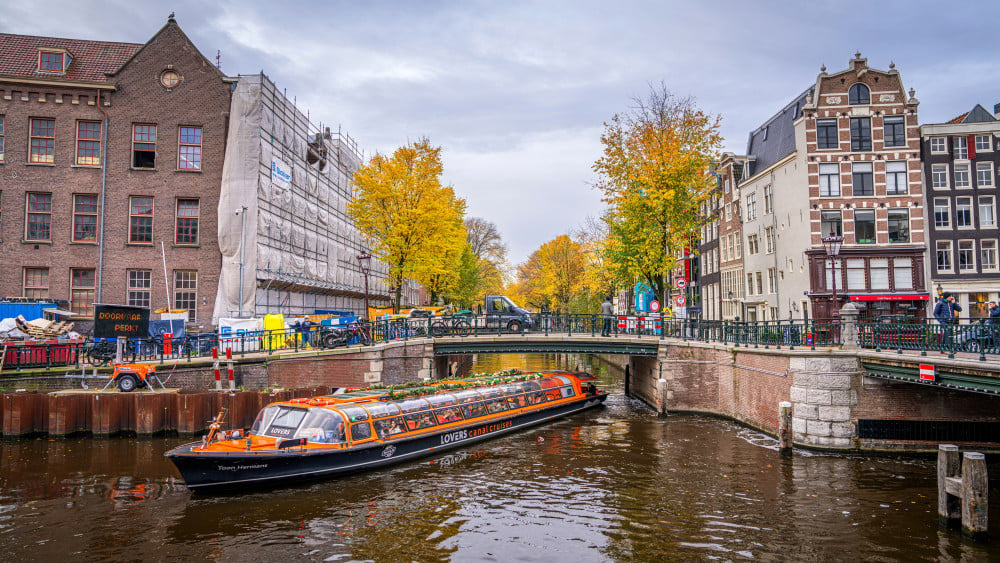
A court has ruled that the city of Amsterdam cannot increase the passenger tax for canal cruise boats to 2.50 euros, reinstating the former rate of 1.50 euros. The judge found that the proposed hike was unlawful because the city failed to justify the fee with direct benefits to the cruise operators and attempted to fund unrelated public programs.