rss

Is the city's tourism policy driving away the wrong visitors? Coalition refuses to change course

Is the city's tourism policy driving away the wrong visitors? Coalition refuses to change course

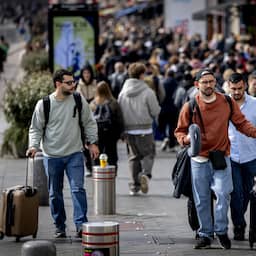
Amsterdam's coalition government is facing backlash from the hospitality and business sectors due to a sharp decline in business travelers and plans to increase tourist taxes to the highest level in the world. Despite industry warnings that these measures are deterring valuable visitors and jeopardizing revenue, the city leadership refuses to change its current policy.

Amsterdam is facing significant criticism from the hospitality and business sectors regarding its aggressive tourism policy. Data indicates a 38 percent drop in business travelers compared to 2019, while the city prepares to implement the world's highest tourist tax, projected to reach 20 percent by 2031. Combined with national VAT increases, total taxes on hotel stays will climb to 41 percent. Representatives from the RAI convention center and Koninklijke Horeca Nederland warn that these financial burdens are damaging the city's reputation, potentially driving away essential visitors and threatening the viability of local enterprises.

Despite these concerns and warnings that revenue projections may be overly optimistic, the ruling coalition remains committed to its current trajectory. Officials argue that reducing the total volume of visitors is necessary to manage urban crowding, even if it creates friction with industry stakeholders. While the administration acknowledges the polarized nature of the debate, they maintain that their existing plans are essential for long-term urban livability.

Based on reporting by rss. Translated and condensed by LocalHeadlines.
Related articles

Stricter rules for holiday rentals to tackle nuisance in residential areas

Stricter rules for holiday rentals to tackle nuisance in residential areas

New Dutch regulations taking effect November 1 require all vacation rental hosts to use a unique registration number and mandate that booking platforms share data with the government. This system is designed to help municipalities combat neighborhood nuisance and better monitor the impact of short-term rentals on the housing market.

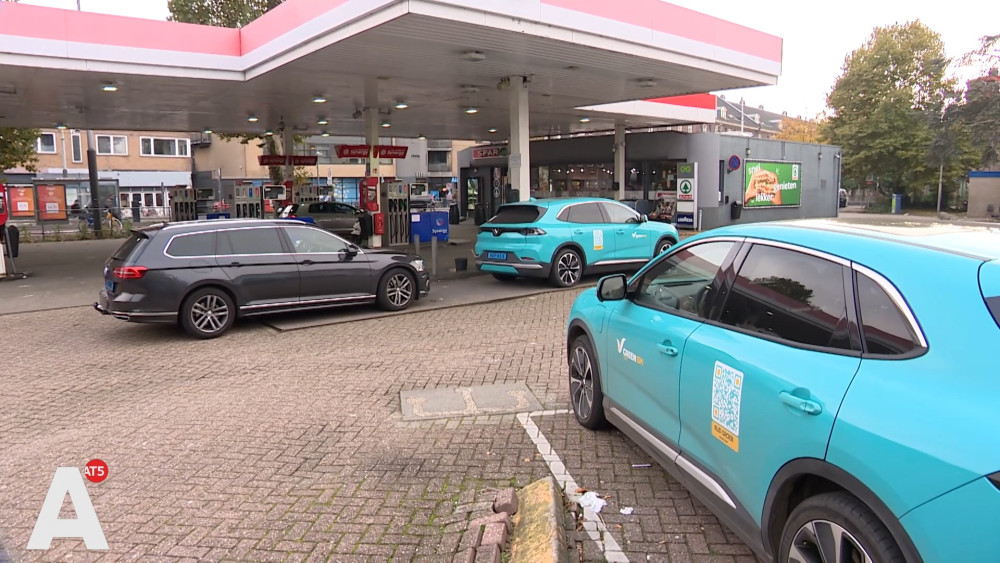
Why are there suddenly so many turquoise cars in the city?

Why are there suddenly so many turquoise cars in the city?

Hundreds of distinctive turquoise electric taxis from a Vietnamese company have appeared on the streets of Amsterdam since September. The firm is expanding its European presence, offering drivers unique employment terms while currently maintaining low pricing that experts expect to rise in the future.

Free public transport would cost hundreds of millions: "Furthermore, GVB cannot handle it"

Free public transport would cost hundreds of millions: "Furthermore, GVB cannot handle it"

Making public transport free in Amsterdam would cost an estimated 175 to 250 million euros annually, according to the city's executive board. The municipal government opposes the proposal from BIJ1 and the SP, citing budget constraints, potential capacity issues for the GVB, and concerns about decreased cycling and walking.

City will not appeal new and broader Schiphol rules, alderman wants enforcement

City will not appeal new and broader Schiphol rules, alderman wants enforcement

The Amsterdam city government has opted against taking legal action regarding the new Schiphol airport traffic regulations, though officials admit the rules do not fully align with the city's environmental ambitions. Alderman Sofyan Mbarki argues the new framework finally allows for the enforcement of noise limits, despite criticism that the changes favor the airport's operations.

Magnum reports record sales due to tropical summer, pistachio ice cream proves a golden move

Magnum reports record sales due to tropical summer, pistachio ice cream proves a golden move

Magnum reported a 12.1 percent global revenue increase to 2.5 billion euros, fueled by an exceptionally long summer and the successful launch of its pistachio-flavored ice cream. The company has consequently raised its 2026 growth forecast to 5.5 percent, supported by strong performance in Europe and the United States.