rss

Two restaurant owners arrested for human trafficking and human smuggling

Two restaurant owners arrested for human trafficking and human smuggling

The Netherlands Labor Inspectorate has arrested two restaurant owners for allegedly trafficking and smuggling Indian nationals into the country under fraudulent work permits. The suspects are accused of subjecting over 70 employees to extreme labor exploitation, including excessive working hours and physical threats, while generating millions in illegal profits.

The Netherlands Labor Inspectorate has arrested two owners of three international Indian restaurant chains on charges of human trafficking and human smuggling. Authorities allege the suspects exploited over 70 workers by bringing them to the country under false pretenses using specialized culinary permits. Although these individuals were granted visas to work as expert chefs, they were instead forced into low-skilled roles such as dishwashers and cleaners. Investigators found that victims were subjected to extreme labor conditions, often working 60 to 80 hours per week without proper compensation, resulting in an estimated four million euros in illegal profits for the suspects. Beyond the wage theft, the victims reportedly faced coercive measures, including threats of violence and pressure placed on their families in their home countries. The operation involved widespread raids across several European countries, with authorities seizing property, financial records, and digital media. The suspects allegedly knew from the start that they would violate permit requirements, keeping workers in illegal status to maintain control over their employment and residency.

Based on reporting by rss. Translated and condensed by LocalHeadlines.

Related articles

Port of Amsterdam applies for permits for eight wind turbines

Port of Amsterdam applies for permits for eight wind turbines

The Port of Amsterdam has applied for permits to install eight 200-meter-tall wind turbines in the Western Port area to increase regional renewable energy production. The Province of North Holland will now review the applications, though approval is not guaranteed given recent regional political conflicts over wind energy projects.

Ajax's financial lead over PSV is also under pressure: 'The brand is shrinking along with the results'

Ajax's financial lead over PSV is also under pressure: 'The brand is shrinking along with the results'

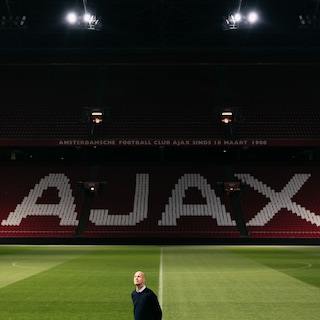
Ajax is struggling to maintain its financial competitiveness against PSV Eindhoven due to high wage costs and an aging squad. The club's reliance on a singular strategic vision under Jordi Cruijff leaves it vulnerable as its brand value tracks with declining on-field performance.

Judge blocks higher municipal tax for canal cruise passengers

Judge blocks higher municipal tax for canal cruise passengers

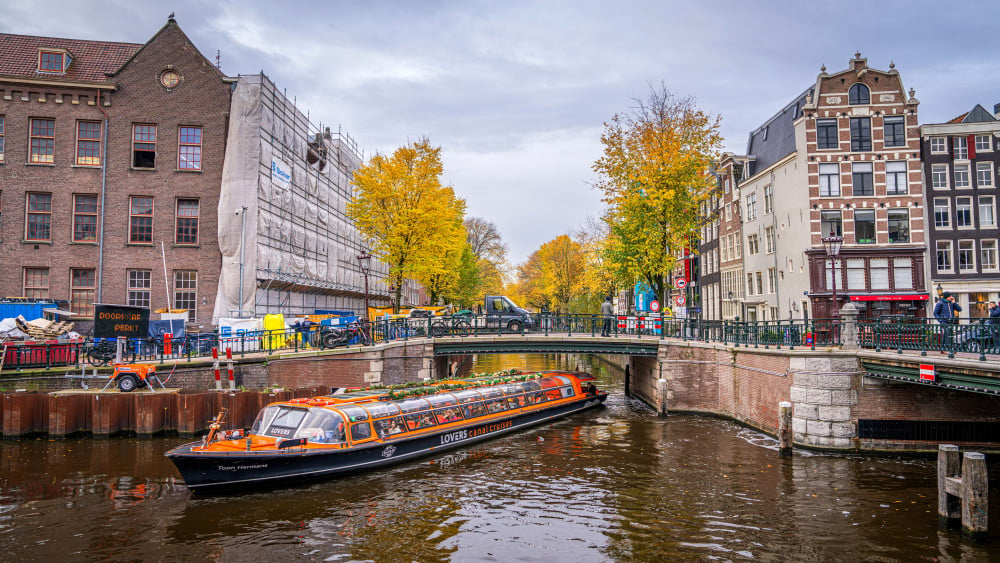
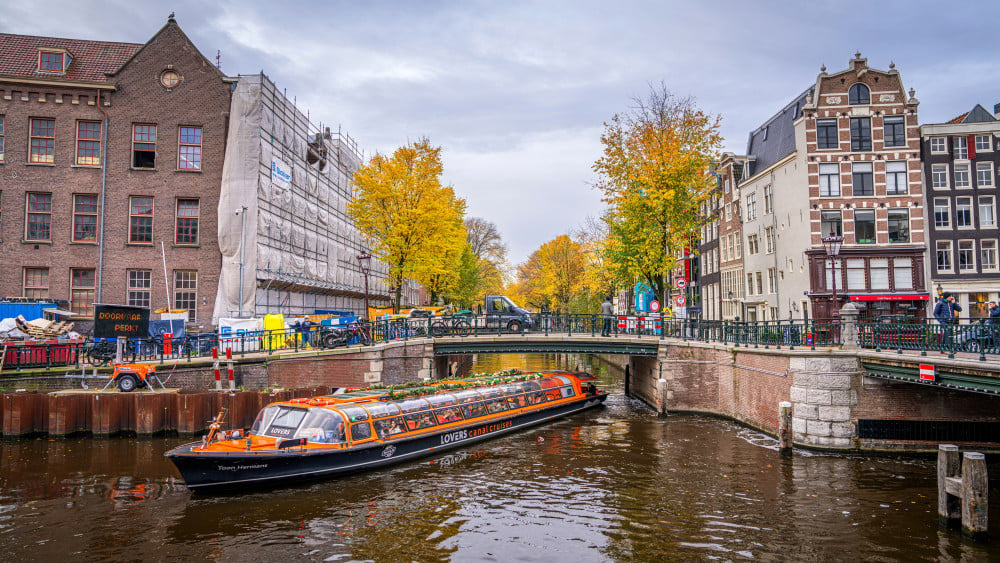
A court has ruled that Amsterdam acted unlawfully in raising the passenger levy for canal cruise boats to 2.50 euros, ordering the rate to return to 1.50 euros. The judge found that the city failed to justify the increase, as the revenue was intended to fund unrelated social programs rather than nautical services.

Judge blocks higher municipal tax for canal cruise passengers

Judge blocks higher municipal tax for canal cruise passengers

A court has ruled that the city of Amsterdam cannot increase the passenger tax for canal cruise boats to 2.50 euros, reinstating the former rate of 1.50 euros. The judge found that the proposed hike was unlawful because the city failed to justify the fee with direct benefits to the cruise operators and attempted to fund unrelated public programs.

More cultural funding to the regions? Halsema warns: "The labor market is in Amsterdam"

More cultural funding to the regions? Halsema warns: "The labor market is in Amsterdam"

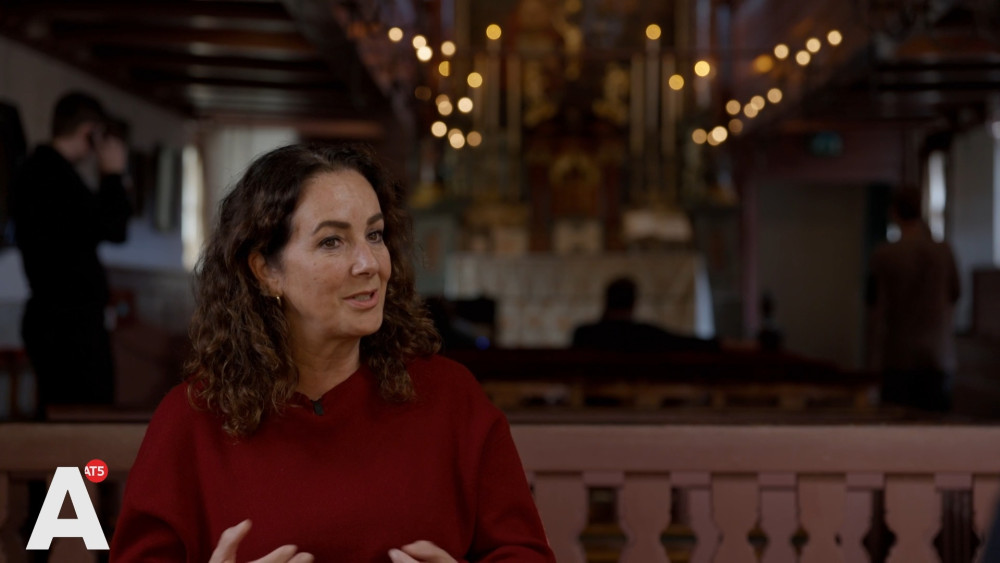
Amsterdam Mayor Femke Halsema has warned the Dutch government against diverting cultural subsidies away from the capital, citing the risk of damaging the city's significant creative labor market. She also defended the autonomy of the arts sector, emphasizing that cultural institutions must remain free from political pressure and secure for all visitors.