nu

Dutch gas station owners fear losing customers after German fuel tax cut
Dutch gas station owners fear losing customers after German fuel tax cut

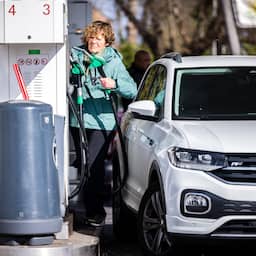
Dutch gas station operators fear losing customers to Germany following a new 17-cent-per-liter excise duty reduction in the neighboring country. Industry leaders are calling for matching tax relief in the Netherlands to remain competitive as global oil price volatility continues to drive domestic fuel costs to record levels.

Dutch gas station owners are expressing serious concerns about losing business following a decision by the German government and its federal states to reduce excise duties on diesel and gasoline by 17 cents per liter. Martin van Eijk, chairman of the trade association Drive, stated that this policy reversal threatens to reverse recent progress in customer retention for stations located in the border region. He warned that unless the Netherlands implements similar tax cuts in the short term, motorists will continue to choose cheaper refueling options across the border.

Beyond immediate tax pressures, fuel prices in the Netherlands are also facing significant upward pressure due to geopolitical instability in the Middle East. Ongoing conflicts affecting the Red Sea and the Strait of Hormuz have disrupted supply routes, driving up costs globally. With diesel reaching a record high of 2.824 euros per liter in the Netherlands, operators are struggling to maintain competitive pricing compared to neighboring countries like Belgium and Germany.

Based on reporting by nu. Translated and condensed by LocalHeadlines.

Related articles

Lack of funding remains a massive hurdle in the fight against climate change

Lack of funding remains a massive hurdle in the fight against climate change

Developing nations require 300 billion dollars annually for climate adaptation, yet received only 30 billion dollars from wealthy countries in 2024. Experts warn that deep cuts to climate aid and persistent funding shortfalls risk creating international tension as global climate negotiations approach.

Booking.com parent company sees travel decline due to unrest in Paris and other factors

Booking.com parent company sees travel decline due to unrest in Paris and other factors

Booking Holdings reported a 7 percent drop in quarterly bookings due to decreased international travel demand, regional instability in the Middle East, and social unrest in European cities. Additionally, the company's financial results were impacted by legal costs related to an FTC investigation into hotel pricing, even as they recently won a domestic court case regarding their remote work policy.

Brussels approves Chinese takeover of MediaMarkt parent company

Brussels approves Chinese takeover of MediaMarkt parent company

The European Commission has approved the 2.2 billion euro acquisition of Ceconomy, the parent company of MediaMarkt, by the Chinese firm JD.com. Regulators cleared the deal after JD.com agreed to oversight measures to prevent potential market distortion from Chinese government subsidies.

European Union heads into winter with lowest gas reserves in over a decade

European Union heads into winter with lowest gas reserves in over a decade

The European Union faces its lowest gas storage levels since 2013, increasing reliance on global LNG imports throughout the winter. While the Netherlands has met its storage targets, Germany has fallen short, and experts warn that market volatility could continue through 2027.

Danish supplier is the common denominator behind the warming cooling systems

Danish supplier is the common denominator behind the warming cooling systems

A cyberattack on refrigeration systems supplied by the Danish company Danfoss has disrupted operations at various European supermarkets and businesses. European officials are investigating the incident as a deliberate attempt to interfere with the continent's food supply, while the company maintains that users failed to update vulnerable software.