nu

Part-timers must work more to solve shortages: 'It will only help a little'

Part-timers must work more to solve shortages: 'It will only help a little'

Government plans to solve labor shortages by encouraging part-time employees to work more hours are being criticized by experts for lacking a coherent long-term strategy. Analysts argue that such measures will only provide minor relief and fail to address structural issues like aging demographics and practical barriers to increased labor participation.

Labor market experts are questioning the effectiveness of the government's strategy to address labor shortages by encouraging part-time workers to increase their hours. While the cabinet aims to make work more rewarding to help fill vacancies, academics such as Ton Wilthagen and Hafid Ballafkih criticize the proposals as lacking a clear, long-term vision. They argue that the plan fails to address practical obstacles like the combination of work with informal care duties and geographic mismatches between labor supply and demand.

Data from the Netherlands shows a persistent increase in part-time employment, with over 4.8 million people working fewer than 35 hours per week as of the second quarter. Experts suggest that while incentivizing more hours might offer minor relief, it is insufficient to combat the long-term impact of an aging workforce and the massive retirement wave expected in the coming years. Furthermore, potential progress is hindered by current tensions between the government, labor unions, and employers regarding social security reforms and fiscal policies.

Based on reporting by nu. Translated and condensed by LocalHeadlines.

Related articles

Port of Amsterdam applies for permits for eight wind turbines

Port of Amsterdam applies for permits for eight wind turbines

The Port of Amsterdam has applied for permits to install eight 200-meter-tall wind turbines in the Western Port area to increase regional renewable energy production. The Province of North Holland will now review the applications, though approval is not guaranteed given recent regional political conflicts over wind energy projects.

Judge blocks higher municipal tax for canal cruise passengers

Judge blocks higher municipal tax for canal cruise passengers

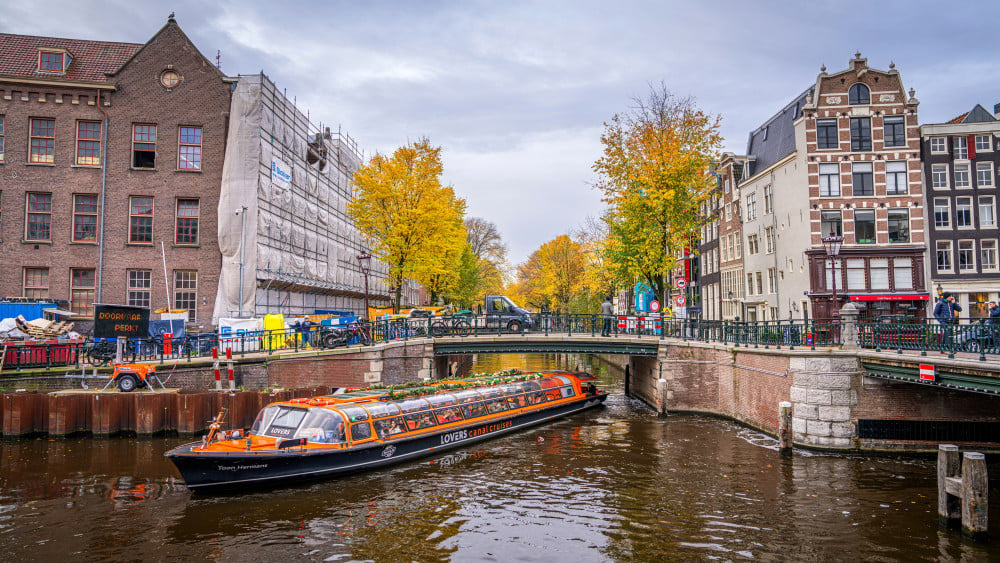
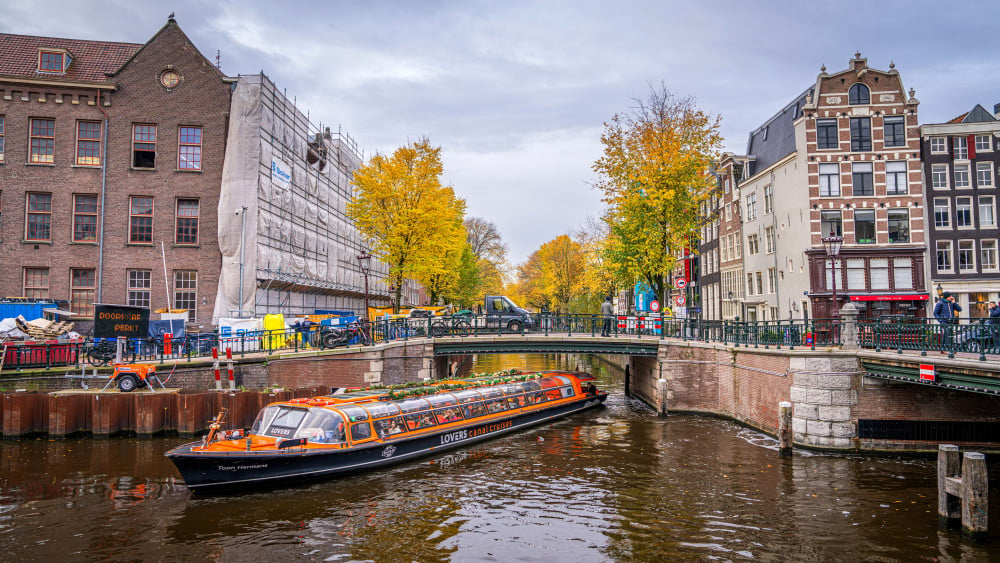
A court has ruled that the city of Amsterdam cannot increase the passenger tax for canal cruise boats to 2.50 euros, reinstating the former rate of 1.50 euros. The judge found that the proposed hike was unlawful because the city failed to justify the fee with direct benefits to the cruise operators and attempted to fund unrelated public programs.

Judge blocks higher municipal tax for canal cruise passengers

Judge blocks higher municipal tax for canal cruise passengers

A court has ruled that Amsterdam acted unlawfully in raising the passenger levy for canal cruise boats to 2.50 euros, ordering the rate to return to 1.50 euros. The judge found that the city failed to justify the increase, as the revenue was intended to fund unrelated social programs rather than nautical services.

More cultural funding to the regions? Halsema warns: "The labor market is in Amsterdam"

More cultural funding to the regions? Halsema warns: "The labor market is in Amsterdam"

Amsterdam Mayor Femke Halsema has warned the Dutch government against diverting cultural subsidies away from the capital, citing the risk of damaging the city's significant creative labor market. She also defended the autonomy of the arts sector, emphasizing that cultural institutions must remain free from political pressure and secure for all visitors.

Battle for ECB presidency now officially between the Netherlands and Spain

Battle for ECB presidency now officially between the Netherlands and Spain

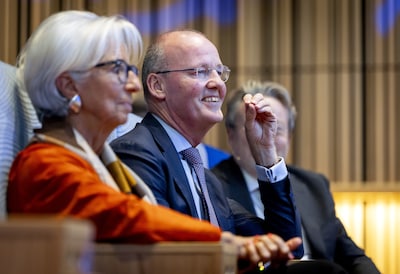
The race for the presidency of the European Central Bank has officially come down to Klaas Knot of the Netherlands and Pablo Hernández de Cos of Spain. With the nomination deadline passed, finance ministers will begin the formal selection process next week, aiming to appoint a successor to Christine Lagarde by mid-December.