ad

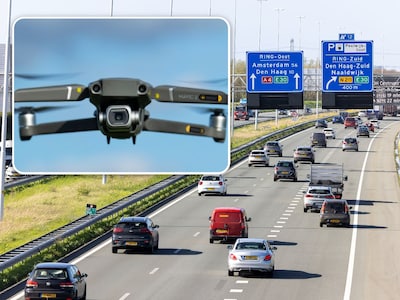
Escaping fines becomes harder: police to monitor traffic across the Netherlands with drones
Escaping fines becomes harder: police to monitor traffic across the Netherlands with drones

Dutch police are expanding the use of drones for traffic enforcement across the country after an initial pilot in Amsterdam proved successful. The technology allows officers to identify dangerous violations like ignoring red crosses from a safe distance while improving overall operational flexibility.

The Dutch police have officially announced plans to implement drone technology for nationwide traffic enforcement. Following a successful pilot program in Amsterdam, which resulted in the issuance of the first fines for traffic violations, the department is sharing its methodology with regional units across the country to standardize the practice. The initiative focuses on dangerous driving behaviors, including driving past red crosses, maneuvering in prohibited areas, and reversing on highways.

By utilizing aerial surveillance, police can identify and document violations using vehicle license plates without the need for officers to be physically present on the roadway. Authorities emphasize that this approach significantly enhances officer safety by allowing them to remain at a distance from live traffic while monitoring the area. The drones also provide greater operational flexibility, as they can quickly relocate to supervise various lanes or respond to changing traffic conditions. This strategic rollout aims to improve road safety throughout the Netherlands by increasing detection capabilities for high-risk offenses.

Based on reporting by ad. Translated and condensed by LocalHeadlines.
Related articles

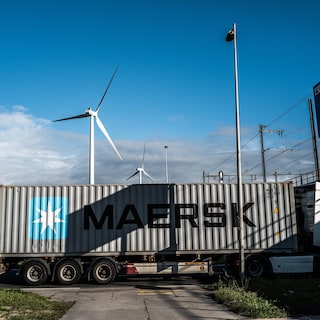
Port of Amsterdam applies for permits for eight wind turbines

Port of Amsterdam applies for permits for eight wind turbines

The Port of Amsterdam has applied for permits to install eight 200-meter-tall wind turbines in the Western Port area to increase regional renewable energy production. The Province of North Holland will now review the applications, though approval is not guaranteed given recent regional political conflicts over wind energy projects.

New IT crisis at municipality: problems with ground lease computer system, council insufficiently informed

New IT crisis at municipality: problems with ground lease computer system, council insufficiently informed

The City of Amsterdam is dealing with an IT crisis involving its leasehold management software as both the outdated legacy system and the long-delayed replacement platform face critical technical issues. Alderman Alexander Scholtes has apologized to the city council for failing to report these risks promptly, despite internal concerns being raised months earlier.

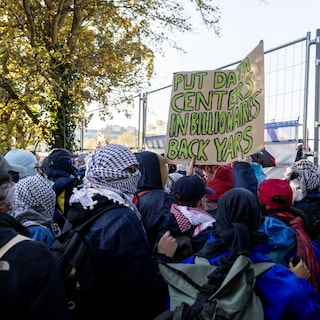
Hundreds of protesters demonstrate against data centers, riot police intervene forcefully

Hundreds of protesters demonstrate against data centers, riot police intervene forcefully

Around 200 protesters attempted to occupy a data center construction site in Amsterdam's Sloterdijk district on Friday morning. Police intercepted the group, leading to clashes as officers used batons to restrain activists attempting to breach the perimeter.

Port of Amsterdam seeks to add eight wind turbines to harbor area

Port of Amsterdam seeks to add eight wind turbines to harbor area

Port of Amsterdam aims to add eight wind turbines to its existing harbor infrastructure following consultations that reduced the original project scale. The initiative faces ongoing opposition from local stakeholders and follows recent political disputes regarding wind energy development in the region.

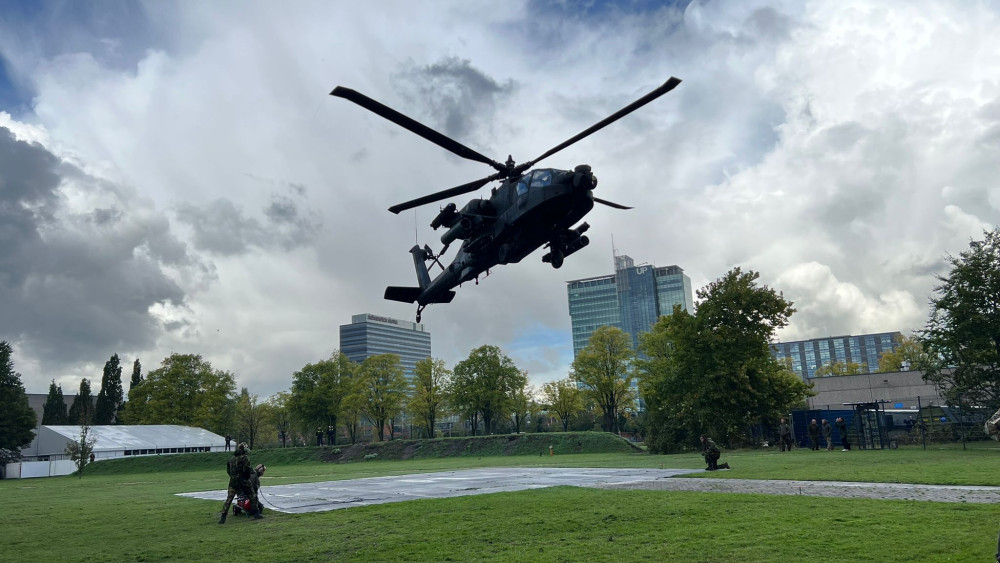
How do we protect the North Sea 24/7? Defense seeks answers from the Marineterrein

How do we protect the North Sea 24/7? Defense seeks answers from the Marineterrein

The Dutch Ministry of Defence is launching the National Institute for Defence Technology with a 350 million euro annual budget to stimulate domestic military innovation. The proposed headquarters for this new institute is the Marineterrein in Amsterdam, with an immediate focus on developing technology to protect North Sea infrastructure from potential foreign threats.