nu

World Cup visitors bombarded with fast food and drink advertisements
World Cup visitors bombarded with fast food and drink advertisements

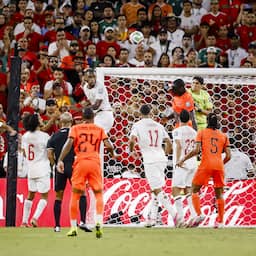
A study found that unhealthy food and drink brands dominated advertising during the World Cup, appearing in over 70 percent of all visible branding throughout the live matches. These advertisements were present for nearly a quarter of total playtime, with four major global companies accounting for the vast majority of the exposure.

A new study reveals that brands marketing unhealthy food and beverages dominated the recent World Cup, appearing in over 70 percent of all advertisements displayed during live match footage. Researchers analyzed 65,722 instances of branding on pitch-side displays, excluding standard commercial breaks, and found that these products were visible for 39.3 hours of live play, accounting for nearly one-quarter of the total match time. Four major global brands, including a soft drink company and a fast-food chain, were responsible for 65 percent of these logo sightings.

The findings highlight the massive scale of exposure for products associated with unhealthy diets during the tournament, which attracted nearly six billion viewers worldwide. Beyond fast food and drinks, other prominent sponsorships included gambling, sports betting, and cryptocurrency platforms. This research marks the first comprehensive effort to map the visibility of harmful product brands within actual game coverage, underscoring the significant impact of corporate partnerships on global audiences during major sporting events.

Based on reporting by nu. Translated and condensed by LocalHeadlines.
Related articles

NVIDIA CEO had close relationship with woman who turned out to be Chinese spy

NVIDIA CEO had close relationship with woman who turned out to be Chinese spy

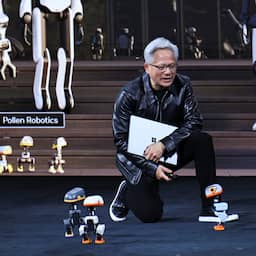
NVIDIA CEO Jensen Huang is facing a congressional investigation after reports linked him to a woman identified as a Chinese spy. While the company denies any romantic involvement, officials are concerned about potential security risks due to Jensen Huang's role as an advisor to the American president.

French blood banks hit by hackers who raised storage temperatures

French blood banks hit by hackers who raised storage temperatures

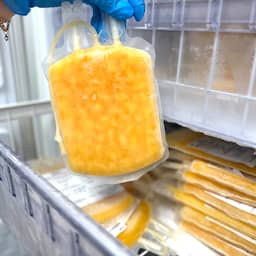
French blood banks successfully averted potential damage to their supplies after hackers accessed cooling systems to raise temperatures at three storage locations. While the attack is being investigated alongside similar cooling system breaches at European supermarkets, authorities confirmed that no blood products were compromised.

Hackers used fake job applications to breach Binance for multibillion-dollar theft

Hackers used fake job applications to breach Binance for multibillion-dollar theft

Hackers stole 6.3 billion dollars from the cryptocurrency exchange Binance after tricking an employee into downloading malicious software during a fake job interview. The FBI has identified the North Korean hacking group TraderTraitor as the responsible party for this record-breaking theft. Binance has pledged to use its own funds to compensate all victims affected by the security breach.

Brussels approves Chinese takeover of MediaMarkt parent company

Brussels approves Chinese takeover of MediaMarkt parent company

The European Commission has approved the 2.2 billion euro acquisition of Ceconomy, the parent company of MediaMarkt, by the Chinese firm JD.com. Regulators cleared the deal after JD.com agreed to oversight measures to prevent potential market distortion from Chinese government subsidies.

Danish supplier is the common denominator behind the warming cooling systems

Danish supplier is the common denominator behind the warming cooling systems

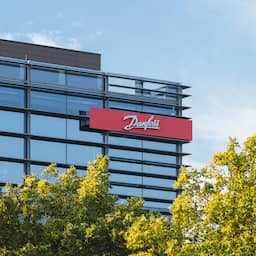
A cyberattack on refrigeration systems supplied by the Danish company Danfoss has disrupted operations at various European supermarkets and businesses. European officials are investigating the incident as a deliberate attempt to interfere with the continent's food supply, while the company maintains that users failed to update vulnerable software.