ad

Over half of adults in Haarlem exercise weekly, significantly more than in comparable municipalities

Over half of adults in Haarlem exercise weekly, significantly more than in comparable municipalities

Data from the new VitIndex system shows that 66 percent of adults in Haarlem exercise weekly, which is a higher rate than in similar Dutch municipalities. Additionally, more than half of the city's adult population now meets national exercise guidelines, driven by a growing preference for independent fitness activities over traditional club sports.

According to data from the newly launched VitIndex system by the Mulier Institute and the Association for Sport and Municipalities, Haarlem residents are significantly more active than those in comparable Dutch cities. In 2024, 66 percent of adults in Haarlem exercised weekly, a notable increase from 57 percent in 2016. Furthermore, over half of the city's adult population currently meets national exercise guidelines, which include both moderate-intensity activity and muscle-strengthening exercises, outperforming regional peers. Experts attribute these figures to factors like facility availability, local culture, and the presence of community sport coaches.

Fitness remains the most popular choice among residents, with nearly one-third of adults participating, while running and cycling also draw significant numbers. While approximately 40,000 residents belong to traditional sports clubs, the data highlights a shift toward flexible, independent activity. This trend reflects a broader national transition where individuals prefer exercising on their own schedules rather than adhering to rigid club commitments. The new VitIndex platform aims to provide municipalities with data to further improve local sports policy.

Based on reporting by ad. Translated and condensed by LocalHeadlines.
Related articles

Spoken word artist Manu van Kersbergen has a 9-year-old son who cannot speak: 'He teaches me language in a different way'

Spoken word artist Manu van Kersbergen has a 9-year-old son who cannot speak: 'He teaches me language in a different way'

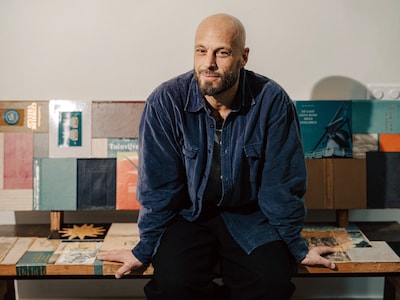
Spokenword artist Manu van Kersbergen shares insights into raising his nine-year-old son, Din, who is non-verbal. Van Kersbergen explains that despite the communication challenges, his son teaches him new ways to understand language and connection.

This green drink is more popular than ever: 5 x matcha in the heart of Haarlem

This green drink is more popular than ever: 5 x matcha in the heart of Haarlem

Matcha has become a popular and trendy beverage in Haarlem, celebrated for its potential health benefits and versatility in both drinks and baked goods. Five local establishments, including The Happiness Café, Juulz, Mica Coffee Bar, Darras Coffee Roasters, and The Coffee Spot, currently offer unique matcha-based menu items across the city.

No wild morels for pancakes due to drought

No wild morels for pancakes due to drought

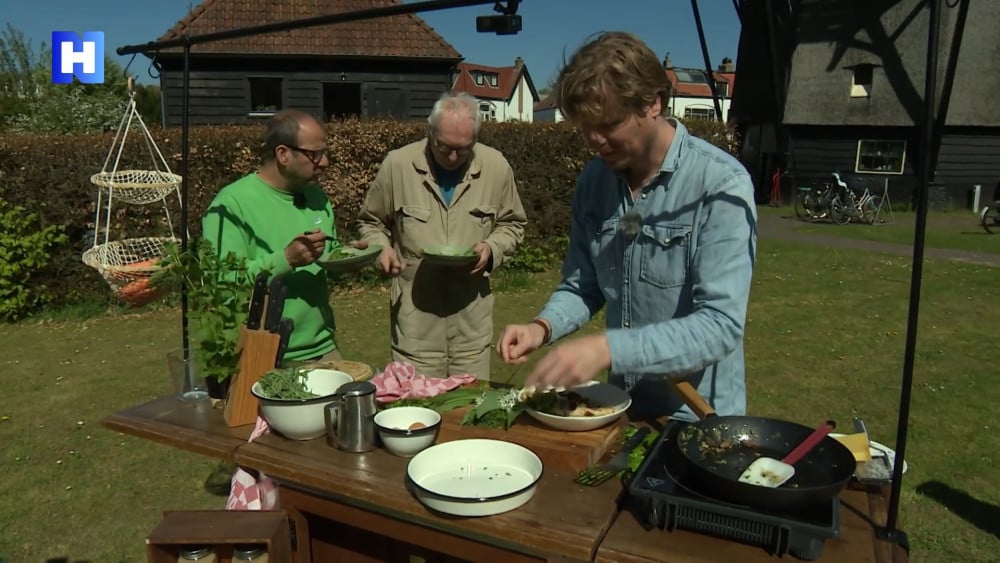
Extreme drought has made it impossible to forage for wild morels this spring, forcing chefs to seek alternative sources for their pancake recipes. To complement the dish, they gathered wild garlic and winter purslane from a local garden to create a healthy and flavorful meal using flour from a historic windmill.

Growing concerns in Haarlem over emotional abuse: 280 calls in six months

Growing concerns in Haarlem over emotional abuse: 280 calls in six months

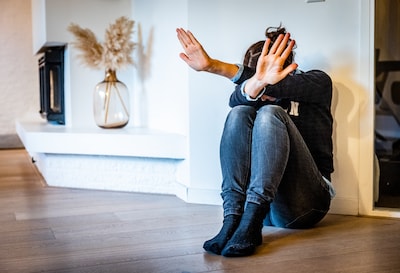
Haarlem has seen a significant increase in reports of emotional abuse and partner intimidation, totaling approximately 280 cases in the first half of the year. While authorities attribute the rise to increased public awareness, the local support organization Veilig Thuis is warning of a national funding shortfall and systemic failures in handling domestic violence cases.

Have you seen Bobbie, Lilly or Wall-E? These three pets are missing in Haarlem

Have you seen Bobbie, Lilly or Wall-E? These three pets are missing in Haarlem

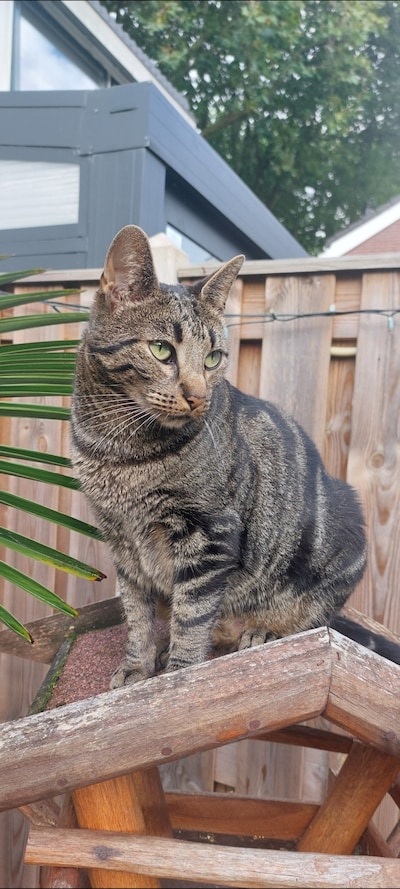
Three pets, including two cats named Lilly and Wall-E and another named Bobbie, have been reported missing in various locations across Haarlem. Local authorities and the organization Amivedi are seeking public assistance in locating the animals, noting that they are all microchipped or have specific medical needs.