Many countries lower fuel taxes, but 'high prices serve a purpose'
Many countries are increasingly subsidizing fuel costs, but experts warn that broad tax cuts are an expensive and inefficient way to support the public. Instead of general price reductions, economists advocate for targeted support for vulnerable households to ensure resources are used effectively while encouraging the transition to sustainable transport.
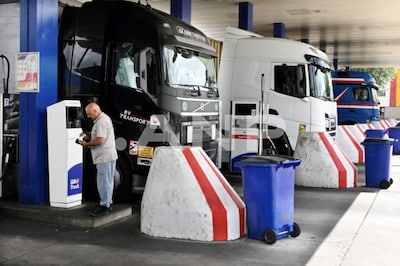
International data from the IEA shows a significant rise in governments subsidizing fuel and lowering energy taxes to combat inflation. In the Netherlands, an excise tax reduction introduced in 2022 remains in place, with the government extending the policy through 2027. Experts argue that such broad, non-targeted subsidies are inefficient because they provide relief to high-income drivers who do not necessarily need it, while costs are ultimately passed on to the general taxpayer. Furthermore, maintaining artificially low prices can discourage consumers from transitioning to more efficient transport or sustainable energy alternatives.
Economists suggest that targeted support for vulnerable low-income groups would be more effective than across-the-board tax cuts. Additionally, regional disparities pose challenges, as consumers near borders may travel to neighboring countries like Germany to find cheaper fuel. Critics warn that these temporary tax measures are politically difficult to revoke once implemented, as consumers become accustomed to the lower prices, potentially leaving the economy vulnerable to long-term energy price volatility.
Based on reporting by nu. Translated and condensed by LocalHeadlines.