How the self-checkout makes our lives more efficient and more suspicious
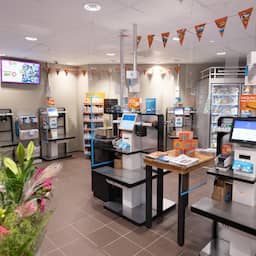
Supermarkets are increasingly replacing traditional cashiers with self-checkout systems to prioritize space and efficiency. This shift has changed the role of staff from service providers to security monitors, raising concerns about working conditions, the loss of human connection, and increased consumer distrust.
Self-checkout lanes have become a common fixture in Dutch supermarkets over the last decade, as stores prioritize space efficiency and consumer demand for speed. Industry representatives argue that these systems allow for more checkout points, but the shift has fundamentally altered the role of retail staff. Employees who were once customer service providers are now increasingly tasked with monitoring for theft and resolving technical errors. Experts like Linda Kool suggest that while this shift promotes time efficiency, it removes valuable human interaction and places the burden of shadow work onto both consumers and stressed, often young, staff members who must handle potential aggression.
The union FNV Handel has raised concerns regarding the working conditions of supermarket employees, particularly teenagers who may face intimidation when enforcing security checks. As traditional service roles disappear, some grocery chains are attempting to mitigate the loss of human connection through initiatives like chat checkouts and communal staff activities. Ultimately, experts argue that society should critically evaluate whether the pursuit of technological efficiency is worth the decline in positive human interaction and the increased potential for suspicion in everyday retail environments.
Based on reporting by nu. Translated and condensed by LocalHeadlines.