nu

Dutch people spend hundreds of thousands more on fuel across the Belgian and German borders

Dutch people spend hundreds of thousands more on fuel across the Belgian and German borders

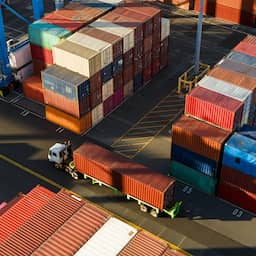
Dutch residents significantly increased fuel purchases across the borders in Belgium and Germany during early 2026, leading to a 32 percent rise in cross-border spending. This shift appears linked to lower fuel prices in neighboring countries compared to the Netherlands, where domestic transaction volumes at gas stations have slightly declined.

According to data from De Nederlandsche Bank, Dutch motorists increasingly crossed borders into Germany and Belgium to refuel during the first half of 2026. This trend, likely driven by significant price disparities resulting from global fuel cost increases, saw the number of card transactions by Dutch residents at foreign gas stations rise by 20 percent. In total, these cross-border purchases amounted to 1.5 billion euros, representing a 32 percent increase compared to the previous year, while domestic transaction volumes at Dutch stations declined by 3 percent.

Belgium maintains maximum price caps, and Germany recently introduced fuel tax reductions, making both countries significantly cheaper for consumers than the Netherlands. With fuel prices in the Netherlands remaining high due to market conditions and heavy taxation, local station operators are expressing concern about the long-term impact on their businesses. While these findings reflect card payments and include ancillary spending at station shops, they highlight a clear shift in consumer behavior as Dutch drivers seek relief from higher domestic fuel costs.

Based on reporting by nu. Translated and condensed by LocalHeadlines.
Related articles

Engineering firm Arcadis to cut approximately 1,000 jobs

Engineering firm Arcadis to cut approximately 1,000 jobs

Engineering firm Arcadis is planning to eliminate around 1,000 jobs as part of a major restructuring effort. The company also announced it will divest most of its architecture business and exit the Chinese market.

Record number of homes made sustainable with subsidies, insulation especially popular

Record number of homes made sustainable with subsidies, insulation especially popular

Over 850,000 homes in the Netherlands were upgraded using government subsidies between 2021 and 2025, with insulation being the most popular choice. While record numbers were reached in 2025, data shows that apartment buildings managed by associations face significantly more delays in implementing these sustainability improvements.

Companies can often pivot: high import levels do not necessarily create dependency

Companies can often pivot: high import levels do not necessarily create dependency

New research from the CPB suggests that Dutch companies are generally less dependent on single-country imports than feared, as alternatives are available for most products. While switching suppliers during a crisis remains complex due to logistical and market hurdles, the findings highlight that genuine dependency is relatively rare.

Municipalities spend 185 million a year on tech giant Microsoft: 'Amount shows the extent of dependency'

Municipalities spend 185 million a year on tech giant Microsoft: 'Amount shows the extent of dependency'

Dutch municipalities spent roughly 185 million euros on Microsoft products in 2025, highlighting a deep dependency on American tech companies. Experts and officials are concerned that this reliance contradicts national goals for digital autonomy and suggests a missed opportunity to invest in local software developers.

This is what the cabinet has in store, but it makes no one truly happy yet

This is what the cabinet has in store, but it makes no one truly happy yet

The Dutch cabinet is implementing significant changes to its budget proposals to secure approval from the Tweede Kamer ahead of Prince's Day. These revisions have elicited a polarized response, with left-wing parties expressing more support for the adjustments than those on the right.