ad

Dutch people spend 9 percent more at foreign supermarkets
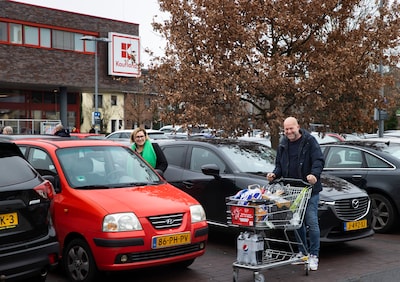
Dutch people spend 9 percent more at foreign supermarkets

Dutch consumers spent 9 percent more at foreign supermarkets in the first half of this year compared to the same period in 2024. Data from De Nederlandsche Bank shows a rise in both transaction volume and overall spending, driven by consumer perceptions of lower prices and specific differences in excise duties.

Dutch consumers have significantly increased their spending at foreign supermarkets during the first half of this year. Data from De Nederlandsche Bank indicates that total spending at international grocery stores rose by 9 percent, amounting to 117 million euros more than in the same period last year. The number of cross-border transactions also increased from 45 million to over 51 million. While general price levels across the Netherlands, Germany, and Belgium are similar, consumers are drawn to specific differences in excise duties on items like tobacco and alcohol, as well as lower prices for particular brands.

Research from the Efmi institute highlights that many Dutch shoppers believe products are considerably cheaper abroad, driving this ongoing trend. Beyond groceries, there has been a notable surge in cross-border fuel purchases, with card transactions at foreign gas stations rising by 20 percent. Total spending at these fuel stations grew by 32 percent, reaching 1.5 billion euros, further illustrating the growing tendency for Dutch residents to cross national borders for their regular consumer needs.

Based on reporting by ad. Translated and condensed by LocalHeadlines.

Related articles

Engineering firm Arcadis to cut approximately 1,000 jobs

Engineering firm Arcadis to cut approximately 1,000 jobs

Engineering firm Arcadis is planning to eliminate around 1,000 jobs as part of a major restructuring effort. The company also announced it will divest most of its architecture business and exit the Chinese market.

Record number of homes made sustainable with subsidies, insulation especially popular

Record number of homes made sustainable with subsidies, insulation especially popular

Over 850,000 homes in the Netherlands were upgraded using government subsidies between 2021 and 2025, with insulation being the most popular choice. While record numbers were reached in 2025, data shows that apartment buildings managed by associations face significantly more delays in implementing these sustainability improvements.

Companies can often pivot: high import levels do not necessarily create dependency

Companies can often pivot: high import levels do not necessarily create dependency

New research from the CPB suggests that Dutch companies are generally less dependent on single-country imports than feared, as alternatives are available for most products. While switching suppliers during a crisis remains complex due to logistical and market hurdles, the findings highlight that genuine dependency is relatively rare.

Municipalities spend 185 million a year on tech giant Microsoft: 'Amount shows the extent of dependency'

Municipalities spend 185 million a year on tech giant Microsoft: 'Amount shows the extent of dependency'

Dutch municipalities spent roughly 185 million euros on Microsoft products in 2025, highlighting a deep dependency on American tech companies. Experts and officials are concerned that this reliance contradicts national goals for digital autonomy and suggests a missed opportunity to invest in local software developers.

This is what the cabinet has in store, but it makes no one truly happy yet

This is what the cabinet has in store, but it makes no one truly happy yet

The Dutch cabinet is implementing significant changes to its budget proposals to secure approval from the Tweede Kamer ahead of Prince's Day. These revisions have elicited a polarized response, with left-wing parties expressing more support for the adjustments than those on the right.