nu

People with inheritance move house more often or choose solar panels
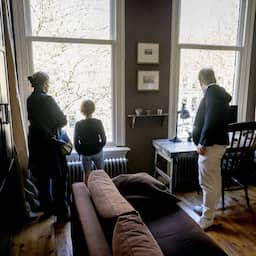
People with inheritance move house more often or choose solar panels

Research from Statistics Netherlands indicates that people who receive an inheritance are more likely to move house or install solar panels than those who do not. As baby boomers age, experts warn that the upcoming surge in wealth transfer may increase economic inequality between property-owning families and the rest of the population.

A study by Statistics Netherlands (CBS) has analyzed the financial behavior of individuals following the death of their last surviving parent, specifically focusing on the generation born between 1936 and 1945. Findings reveal that heirs are significantly more likely to relocate within three years compared to those whose parents are still alive. Many of these individuals use their inheritance to transition from apartments to detached houses, while also showing an increased tendency to invest in home sustainability features such as solar panels. Data from 2018 indicated that nearly a third of over 30,000 individuals received a registered inheritance, with a median value of 43,000 euros after taxes and funeral costs.

As the baby boomer generation enters later life, experts anticipate a significant surge in inheritance distribution over the coming decades. Given that baby boomers held substantial assets in 2018, economists warn that this wealth transfer could exacerbate existing socio-economic inequalities between those with property-owning parents and those without. With projections indicating a steady rise in mortality rates for this cohort through 2040, the impact of these inheritance patterns on the broader housing market is expected to remain a critical topic of concern.

Based on reporting by nu. Translated and condensed by LocalHeadlines.
Related articles

Higher gas prices don't easily push commuters to cycling: 'A matter of habit'

Higher gas prices don't easily push commuters to cycling: 'A matter of habit'

Data reveals a significant rise in electric vehicle sales across Europe, though this trend is driven by multiple factors rather than just fuel prices. Experts note that despite higher gasoline costs, most commuters prefer to maintain their driving habits rather than switching to cycling or public transport.

Hours of waiting, missed flights and damages for airlines: queue chaos at Schiphol border control is critical

Hours of waiting, missed flights and damages for airlines: queue chaos at Schiphol border control is critical

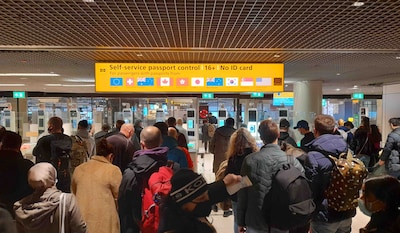
The implementation of the new digital Entry/Exit System at Schiphol Airport has led to critical wait times and significant operational chaos. Travelers are facing missed flights and airlines are experiencing financial losses due to these ongoing security control issues.

Minister pleased with massive residential towers near Arena: "Excellent accessible location"

Minister pleased with massive residential towers near Arena: "Excellent accessible location"

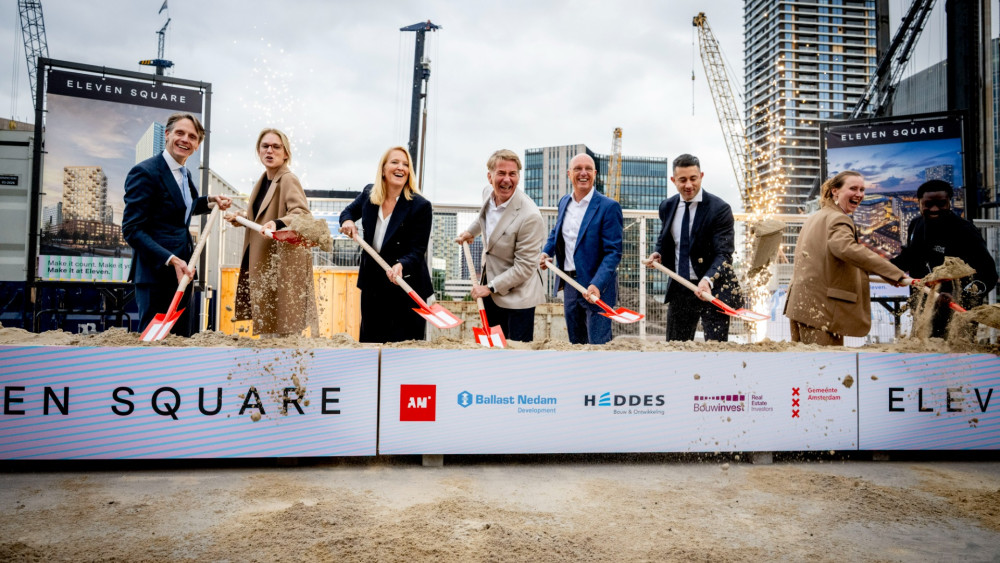
Housing Minister Elanor Boekholt-O’Sullivan and Amsterdam officials have officially marked the construction start of Eleven Square, a major development near the Johan Cruijff Arena. The project will add over 1,100 homes to the city, including its tallest residential tower, with a planned completion date of 2029.

Conference industry fears higher tourist tax: We are driving away the wrong tourists

Conference industry fears higher tourist tax: We are driving away the wrong tourists

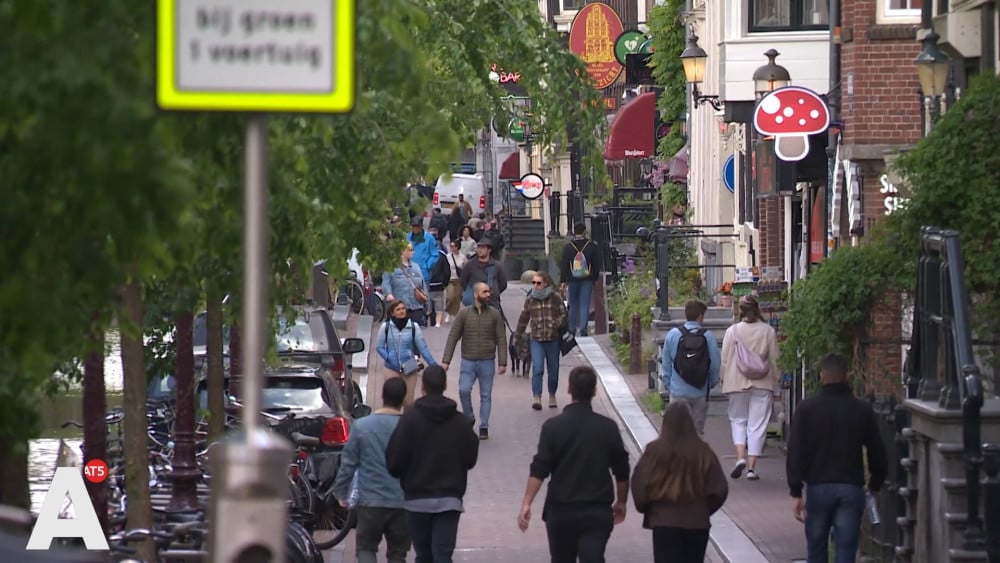
Amsterdam is set to increase its tourist tax to 20 percent by 2031, prompting concerns from the conference industry that the move will drive away valuable business travelers. Industry leaders argue that these visitors are economically beneficial and cause less nuisance than other tourists, but the municipality remains committed to the tax hike to help manage city-wide tourism challenges.

Busy Amsterdam and quiet Weesp face same high tourist tax? "We want a tailored approach"

Busy Amsterdam and quiet Weesp face same high tourist tax? "We want a tailored approach"

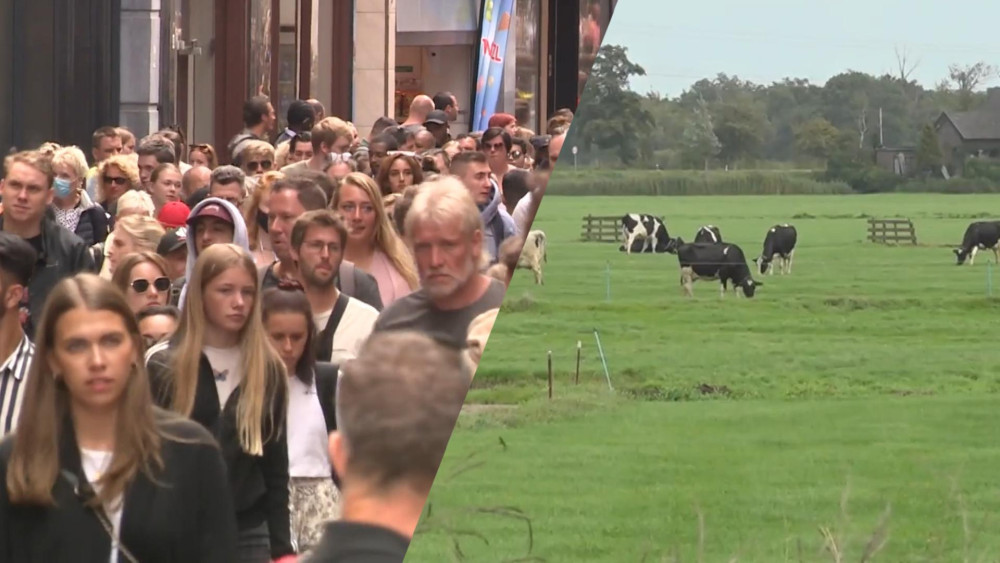
Amsterdam plans to raise its tourist tax to 20 percent by 2031, a policy that currently also impacts the quieter town of Weesp. Local business owners are requesting a tailored approach, arguing that the rural area should not be subject to the same high rates as the busy city center.