Municipalities expand paid parking due to financial deficits
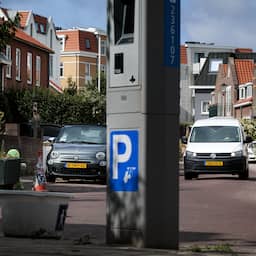
Municipalities in the Netherlands are expanding paid parking zones to secure additional revenue to offset chronic budget deficits. This shift is driven by reduced central government funding and increasing local financial pressures, leading to significant pushback from residents and businesses in affected areas like Rotterdam.
Municipalities across the Netherlands are increasingly implementing or expanding paid parking zones to address persistent budget deficits. While officials often frame these measures as tools to manage scarce urban space, experts note that the additional revenue is essential for balancing local budgets. This trend is becoming more common as local governments face financial pressure from both internal spending ambitions and declining funding from the national government through the Municipal Fund.
In cities like Rotterdam, plans to introduce paid parking in thirteen new neighborhoods have met with significant resistance. For instance, the Nesselande district has seen over ten thousand signatures on a petition opposing these changes. Because parking fees are not legally earmarked for specific services, unlike waste management levies, they offer municipalities flexible funds to cover general expenses. As central government support shrinks, local authorities are increasingly turning to these levies as a necessary financial lifeline to sustain their operations.
Based on reporting by nu. Translated and condensed by LocalHeadlines.