Gasoline and diesel prices high due to scarcity, but 100-day reserves available
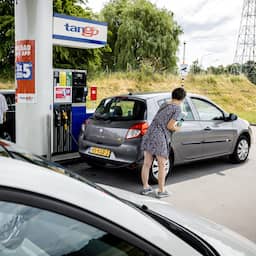
Record-high gasoline and diesel prices in the Netherlands are being driven by global supply shortages and the geopolitical blockade of the Strait of Hormuz. Despite the high costs, the country maintains sufficient fuel reserves for over 100 days thanks to domestic refinery capacity in Rotterdam and Vlissingen.
Fuel prices in the Netherlands have reached record levels due to a global scarcity of energy supplies, exacerbated by the ongoing conflict between Iran and the United States and the resulting blockade of the Strait of Hormuz. Despite these record costs, experts assure that the country is not facing an immediate fuel shortage. The presence of significant refinery capacity in Rotterdam and Vlissingen ensures that the Netherlands maintains a fuel reserve sufficient for approximately 100 to 200 days of consumption. Economists note that while gasoline stocks are slightly tighter, domestic production continues to support local availability.
Looking ahead, market analysts expect fuel prices to remain high for the foreseeable future. The combination of limited global refining capacity and geopolitical instability creates persistent pressure on costs, particularly for diesel. Experts emphasize that the situation is unlikely to improve quickly, as it will take significant time to resolve infrastructure damage and restore global supply chains disrupted by regional conflicts. Consequently, consumers should prepare for sustained high prices at the pump.
Based on reporting by nu. Translated and condensed by LocalHeadlines.