Isn't this playing with fire, the presenter asked the biologist who had just enthusiastically flooded a polder
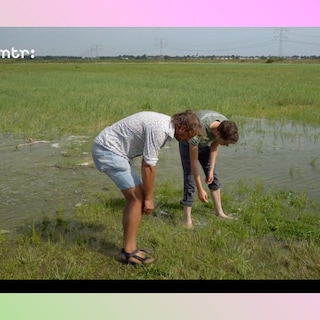
Dutch researchers conducted a controlled flooding experiment in the Eendragtspolder to study whether water buffers facilitate the spread of the West Nile virus via mosquitoes. While the study faced safety concerns, scientists argued it was a necessary preventive measure that does not account for the virus's recent surge in the region.
Scientists in the Netherlands, including virologist Marion Koopmans and biologist Maarten Schrama, conducted an experiment in the Eendragtspolder near Rotterdam to investigate whether water retention areas could become breeding grounds for the West Nile virus. By intentionally flooding a controlled section of land in 2025, the researchers sought to monitor interactions between mosquitoes, birds, and potential viruses during warm weather. While the team emphasized that the study was a necessary, safe, and proactive measure to prepare for future health risks, the process faced scrutiny over safety concerns regarding the creation of a virus hotspot.
Although one mosquito in the area tested positive for the virus, investigators concluded that their controlled experiment did not spark an outbreak. However, the researchers noted that the rapid spread of the disease—which has already resulted in several deaths—means such a study would no longer be feasible today. The project highlights the ongoing tension between proactive scientific research and the escalating threat of climate-driven viral infections, as experts warn that the window for preventive research is closing rapidly.
Based on reporting by parool. Translated and condensed by LocalHeadlines.