High energy costs also grip ice rinks: "Quite tense"
Ice rinks across the Netherlands are preparing for the upcoming season while managing high energy costs associated with maintaining ice floors. Many venues are successfully utilizing sustainable technologies like solar panels and heat recovery systems to keep operational expenses stable.
As the skating season approaches in the Netherlands, ice rink operators are navigating the challenges of rising energy costs required to maintain freezing temperatures. The process of building an ice floor, which takes approximately two weeks of layer-by-layer freezing, demands significant electricity for cooling systems. To mitigate these expenses, many facilities have implemented sustainable strategies, such as installing solar panels, improving insulation, and repurposing waste heat from cooling systems to warm other parts of their sports complexes.
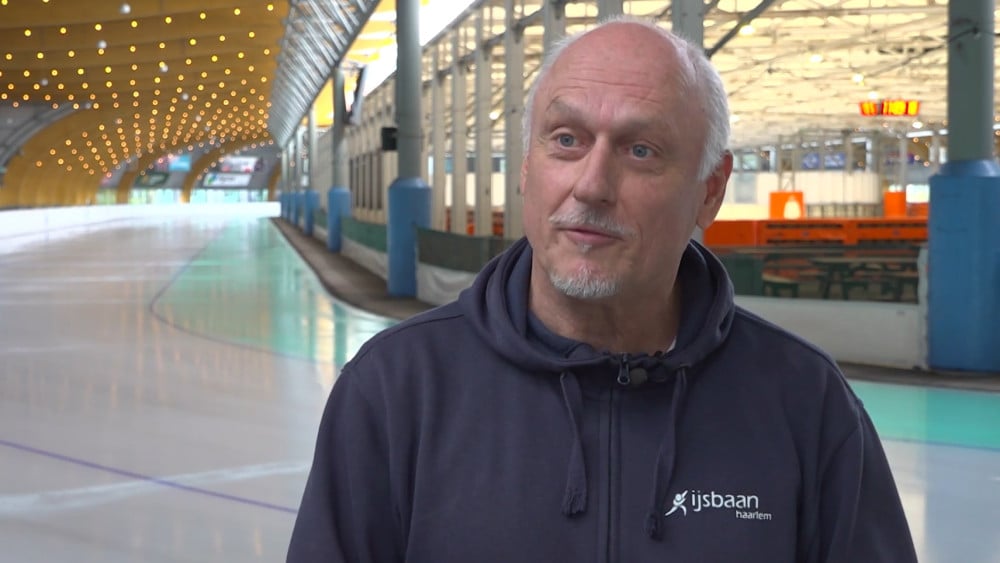
In Haarlem, the director of the IJsbaan Haarlem notes that while their current energy contract and 1,700 solar panels keep operations stable for now, they remain cautious about future price fluctuations. Similarly, the Jaap Eden IJsbaan in Amsterdam is managing energy demands through efficient cooling and contract planning. Despite the broader economic uncertainty surrounding energy prices, these facilities continue to innovate, ensuring that rinks remain operational and accessible for the public as the winter sports season begins.
Based on reporting by rss. Translated and condensed by LocalHeadlines.