Collision of two planes at Schiphol D-pier caused by inattention in the control tower
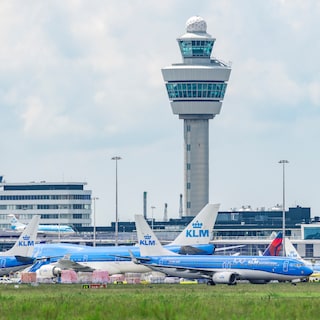
A collision between two KLM Boeing 737s at Amsterdam Airport Schiphol was attributed to communication errors in the traffic control tower. While no one was injured, both aircraft sustained significant damage, prompting a review of the complex airport layout and safety procedures.
On February 21, two KLM Boeing 737s collided at the D-pier of Schiphol Airport while maneuvering. The incident, which caused significant damage to the fuselage and tail sections of both aircraft, resulted in no injuries but left both planes grounded for several weeks. A report from the Dutch Safety Board (OVV) concluded that the collision was caused by human error within the traffic control tower, exacerbated by the complex layout of the airport's D-pier area. While the pilots and ground crew were cleared of wrongdoing, the OVV identified a breakdown in communication between air traffic controllers, who were operating on different frequencies and failed to coordinate effectively. One controller granted clearance for a pushback maneuver without verifying the status of the platform. The report highlights that this specific area of the airport, often referred to as a blackspot, has a history of similar near-misses and collisions. The OVV has long expressed concerns regarding safety management at Schiphol, although recent efforts have been made to improve infrastructure and operational procedures at the facility.
Based on reporting by parool. Translated and condensed by LocalHeadlines.