nu

Katwijk gives green light: US multibillion-dollar obesity drug plant approved

Katwijk gives green light: US multibillion-dollar obesity drug plant approved

The municipality of Katwijk has approved the construction of a large-scale Eli Lilly pharmaceutical factory focused on obesity and diabetes medication. The project is supported by a 100 million euro government deal to improve local infrastructure and housing, though it faces ongoing scrutiny over high water and energy consumption.

The municipality of Katwijk has approved the construction of a massive multibillion-euro pharmaceutical factory by the American company Eli Lilly. Located near the Leiden Bio Science Park at the Valkenburgse Meer, the facility will focus on producing diabetes and obesity medications. The project, which spans the equivalent of 28 football fields, is expected to provide employment for over 500 people. To secure the project, local authorities negotiated a 100 million euro deal with the government to address regional traffic infrastructure and housing affordability. Eli Lilly selected the site over sixty other European locations, citing the proximity to major transport hubs and scientific institutions like the European Medicines Agency in Amsterdam.

Despite the economic benefits, the project has faced scrutiny regarding its significant utility demands. The factory is projected to consume one million liters of water daily and requires substantial electricity, necessitating the temporary use of natural gas-powered turbines due to local grid capacity constraints. While residents expressed concerns regarding environmental impact and property values, city officials maintained that stringent safety standards are in place for the facility.

Based on reporting by nu. Translated and condensed by LocalHeadlines.
Related articles

High energy costs also grip ice rinks: "Quite tense"

High energy costs also grip ice rinks: "Quite tense"

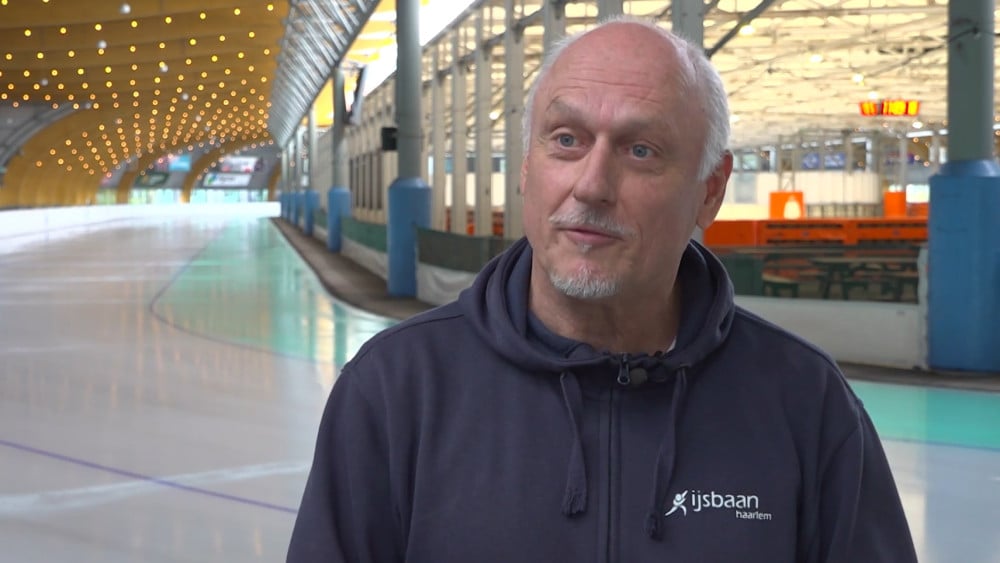
Ice rinks across the Netherlands are preparing for the upcoming season while managing high energy costs associated with maintaining ice floors. Many venues are successfully utilizing sustainable technologies like solar panels and heat recovery systems to keep operational expenses stable.

Better healthcare for women could yield 3 billion euros, as many currently struggle for years

Better healthcare for women could yield 3 billion euros, as many currently struggle for years

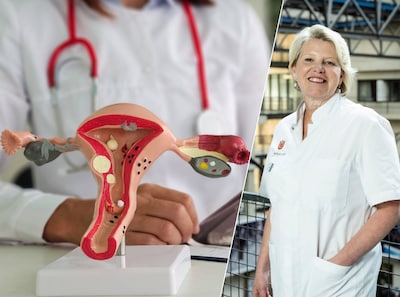
Providing better healthcare for working women could save more than 3 billion euros by reducing long-term absenteeism caused by undiagnosed hormonal and physical conditions. Research from Amsterdam UMC shows that timely treatment of common female health issues significantly improves economic productivity and alleviates pressure on the healthcare sector.

Lawsuit against Stellantis over defeat devices in motorhomes

Lawsuit against Stellantis over defeat devices in motorhomes

Stichting Car Claim and the Consumentenbond have launched a lawsuit against Stellantis over illegal software in tens of thousands of camper vans sold in the Netherlands between 2009 and 2022. The organizations are seeking financial compensation for owners and a mandatory, free technical fix for the vehicles, which emit pollutants above legal limits.

Sales of controversial Meta glasses under pressure: clubs demand ban in the Netherlands and threaten lawsuit

Sales of controversial Meta glasses under pressure: clubs demand ban in the Netherlands and threaten lawsuit

Advocacy groups are demanding that Meta stop selling its smart glasses in the Netherlands due to privacy violations and unauthorized filming. They have threatened a lawsuit in Amsterdam if the company does not comply with their demands by October 13.

Municipalities spend 185 million a year on tech giant Microsoft: 'Amount shows the extent of dependency'

Municipalities spend 185 million a year on tech giant Microsoft: 'Amount shows the extent of dependency'

Dutch municipalities spent roughly 185 million euros on Microsoft products in 2025, highlighting a deep dependency on American tech companies. Experts and officials are concerned that this reliance contradicts national goals for digital autonomy and suggests a missed opportunity to invest in local software developers.