The Greenhouse | Here is how our energy system was overhauled before

Amsterdam is embarking on a significant expansion of its electrical infrastructure to accommodate a projected multi-fold increase in energy demand. The project involves upgrading existing substations, building new ones, and adding thousands of small utility structures across the city to support the growing grid.
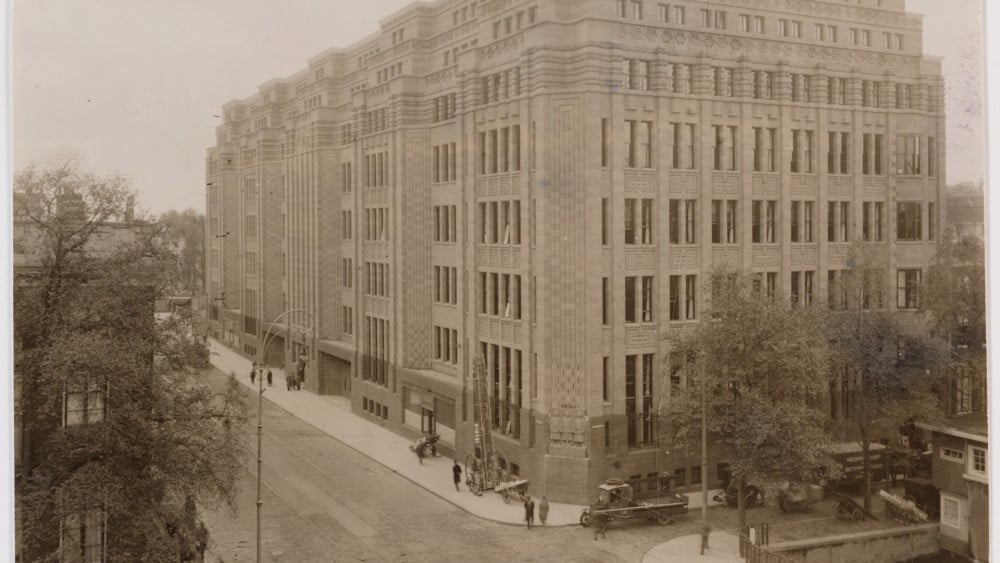
Amsterdam is undergoing a massive transformation of its electricity infrastructure to keep pace with a projected tripling or quadrupling of energy consumption over the coming decades. This extensive project involves modernizing 19 out of 23 major power stations, constructing 20 new facilities, and installing 2,600 additional electricity substations throughout the city. A high-voltage station located in a historic building at Hoogte Kadijk is currently being renovated, serving as a reminder of the city's long history of evolving energy needs. The project requires significant construction, including laying miles of thick electrical cabling beneath city streets.
While officials like Bob Maas appreciate the aesthetic value of early 20th-century utility structures designed by architects such as Abel Antoon Kok, modern requirements necessitate faster and larger-scale deployments. The current scale of the energy transition makes traditional, artisanal construction impossible due to time and budget constraints. To mitigate visual impact, utility provider Liander is allowing neighborhoods to choose exterior finishes for the new, functional substations to better integrate them into the local environment.
Based on reporting by nu. Translated and condensed by LocalHeadlines.