nu

British school buses in trouble due to high diesel prices

British school buses in trouble due to high diesel prices

Rising diesel costs are threatening the operations of British school bus companies, which are struggling to maintain services under fixed-fee contracts. Similar financial pressures are impacting transport firms across Europe, including in the Netherlands, as global oil prices remain elevated due to international instability.

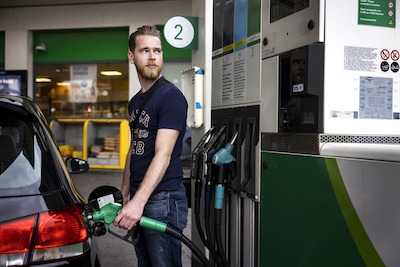
British school transport providers, represented by the Confederation of Passenger Transport, are facing significant financial strain due to record-high diesel prices. With fuel costs exceeding 2 pounds per liter, companies operating school bus contracts are struggling to manage fixed-fee agreements that do not account for the rapid rise in operating expenses. Many of these firms are small, family-owned businesses that may soon be forced to cancel routes unless the government provides temporary financial assistance.

The surge in fuel prices is a broader issue impacting the transport industry across Europe as well. In the Netherlands, diesel costs have reached approximately 2.50 euros per liter, placing similar pressure on local carriers. The current global crisis is primarily attributed to rising oil prices and supply chain disruptions exacerbated by the conflict in the Middle East. In response, G7 nations have announced plans to release oil from emergency reserves to help stabilize prices and mitigate the ongoing economic impact on the transportation sector.

Based on reporting by nu. Translated and condensed by LocalHeadlines.

Related articles

Euro hits seventeen-month low due to political unrest in Europe

Euro hits seventeen-month low due to political unrest in Europe

The euro has hit a seventeen-month low against the dollar due to mounting political and economic instability in France and Spain. Experts warn that this European market volatility and rising debt concerns could eventually exert upward pressure on Dutch mortgage rates.

Fuel prices drive eurozone inflation to highest level since 2023

Fuel prices drive eurozone inflation to highest level since 2023

Eurozone inflation has climbed to 3.8 percent, the highest rate since September 2023, largely driven by soaring fuel costs due to Middle East tensions. In the Netherlands, inflation also saw a rise, reaching 3.4 percent as fuel prices continue to impact consumer costs.

Austria makes cheap parcels more expensive again

Austria makes cheap parcels more expensive again

Austria is introducing an additional 2 euro processing fee on small, non-EU packages starting November 1, following a broader EU customs charge implemented earlier this year. These stricter import rules have led to a significant drop in individual small shipments from China, prompting retailers to adjust their shipping methods and business strategies.

After growth dip due to Iran war many passengers travel via European airports again

After growth dip due to Iran war many passengers travel via European airports again

Passenger traffic at European airports showed steady growth throughout the summer despite ongoing geopolitical tensions and rising fuel costs. While traffic at hubs like Schiphol remained stable, industry experts warn that inflation and higher ticket prices create an uncertain outlook for the coming months.

French inflation rises sharply due to higher fuel prices

French inflation rises sharply due to higher fuel prices

France is facing rising inflation reaching 3.4 percent, largely due to record-high fuel prices impacting the economy. The French government plans to provide financial support to vulnerable households as further energy price hikes are expected in the coming months.