Review: Conspiracy theorists and cyberbullies make the update of Stephen King's Carrie highly relevant
Mike Flanagan's new eight-part series updates Stephen King's Carrie by incorporating modern themes like cyberbullying and conspiracy theories. The show follows the protagonist, Carrie, as she navigates the social challenges of high school while grappling with her controlling, religiously extreme mother and her emerging telekinetic powers.
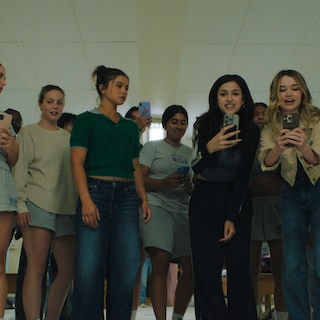
This year marks the 50th anniversary of Brian De Palma's iconic film adaptation of Stephen King's Carrie, a classic tale of a telekinetic teenager suffering under a religious mother and cruel school bullies. Director Mike Flanagan has reimagined the story as an eight-part series that integrates modern issues like conspiracy theories and cyberbullying into the narrative. The plot follows Carrie, played by Summer H. Howell, after she is forced to attend a public high school in the town of Chamberlain following her father's death. Her transition to school life is marked by intense humiliation, particularly after a traumatic locker room incident involving a viral video orchestrated by her classmate, Christie.
While the series provides deeper character backstories compared to the original, the tension builds steadily toward the inevitable and violent prom night conclusion. Despite the updated themes and a strong performance by Howell, the show's final bloodbath is compared to De Palma's original, which remains a benchmark for horror cinema. The series successfully updates the classic material for a contemporary audience while staying true to the tragic essence of the original story.
Based on reporting by parool. Translated and condensed by LocalHeadlines.