parool

Bridge over the IJ delayed - and Amsterdam is still 170 million euros short
Bridge over the IJ delayed - and Amsterdam is still 170 million euros short

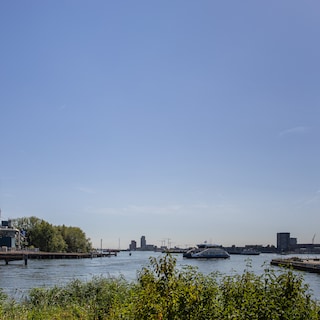
The Oostbrug project in Amsterdam is facing new delays and a financing shortfall of nearly 170 million euros. Rising construction costs and tensions with the national government over cruise ship policies have hampered progress on the vital bridge, which is intended to relieve overburdened ferry services.

The construction of the Oostbrug in Amsterdam, designed to alleviate pressure on ferry services between Noord and the city center, faces significant delays and budget shortfalls. Mobility alderman Elise Moeskops informed the city council that the target completion date of 2034 is unlikely to be met, partly due to strained relations with the national government following the city's decision to ban cruise ships. Furthermore, the project's estimated costs have ballooned from an initial 336 million euros to between 650 and 850 million euros, driven by inflation and unexpected technical requirements for the bridge's foundation.

Despite the push to finish the project as ferry passenger numbers are expected to exceed 120,000 by 2030, a financing gap of approximately 170 million euros remains. While the municipality and the Transport Region have committed funding, the shortfall and the need to negotiate future budget allocations add to the uncertainty. This delay creates a domino effect, as the Oostbrug is a prerequisite for proceeding with other infrastructure plans, such as the Westbrug and a potential pedestrian tunnel.

Based on reporting by parool. Translated and condensed by LocalHeadlines.
Related articles

Municipality blunders with parking revenue: earmarked funds possibly misspent

Municipality blunders with parking revenue: earmarked funds possibly misspent

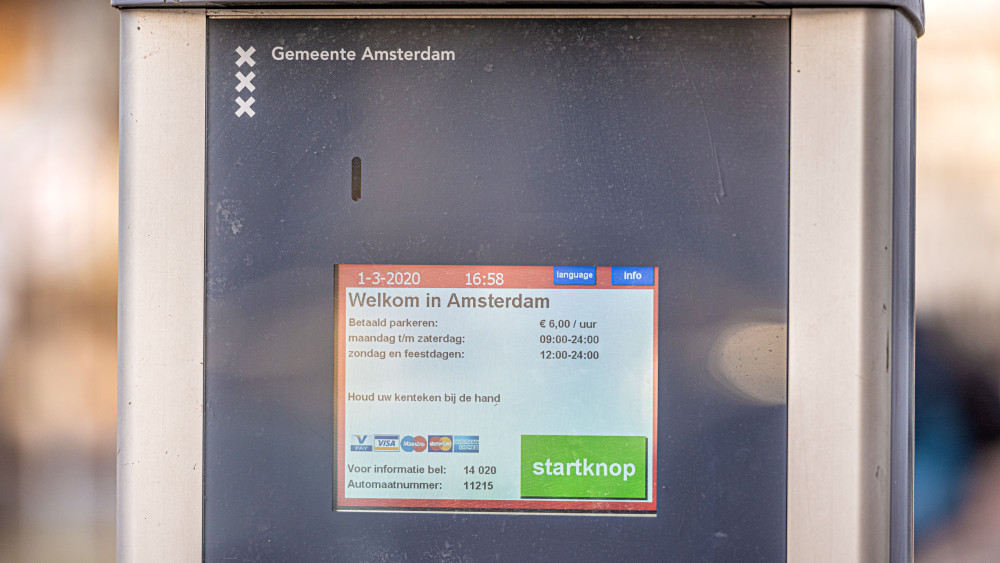
The Amsterdam municipal government failed to officially repeal a 2020 ordinance that legally earmarks parking revenue for specific traffic and transport purposes. This administrative error means that funds intended for these projects may have been improperly spent elsewhere, leading to calls for full financial transparency from opposition council members.

Municipality blunders with parking revenue: earmarked funds possibly misspent

Municipality blunders with parking revenue: earmarked funds possibly misspent

The city of Amsterdam mistakenly failed to revoke a 2020 ordinance that mandates parking revenue be spent exclusively on traffic and infrastructure. Because the formal repeal was never processed, concerns have arisen regarding the legality of redirecting these funds into the city's general budget over the past several years.

Arrival of extra wind turbine at Holendrecht junction uncertain: "Landowner refuses to cooperate"

Arrival of extra wind turbine at Holendrecht junction uncertain: "Landowner refuses to cooperate"

Plans to install an additional wind turbine at the Holendrecht interchange in Amsterdam have stalled due to a lack of cooperation from the landowner. The municipality is currently investigating alternative sites in the Zuidoost district, including Diemerscheg and Weesperkarspel, while balancing competing infrastructure and environmental concerns.

More than 76,000 rental homes have already disappeared from the market – landlords complain about affordable rent legislation

More than 76,000 rental homes have already disappeared from the market – landlords complain about affordable rent legislation

Since the introduction of the Affordable Rent Act in 2024, over 76,000 rental homes have been sold off by landlords across the Netherlands, tightening housing supply. Rental prices are simultaneously rising faster than inflation, with Amsterdam, Amstelveen, and Haarlem remaining among the most expensive areas for tenants.

Alderman: Amsterdam city center entrepreneurs too dependent on tourism

Alderman: Amsterdam city center entrepreneurs too dependent on tourism

Amsterdam alderman Melanie van der Horst has stated that businesses in the city center are overly reliant on tourism, making the local economy vulnerable to shifts in visitor spending. To address this and improve the area's appeal to residents, the city is planning to introduce stricter zoning and permitting rules to encourage more diverse retail and cultural offerings.