L.A.V.A. review: The question remains where exactly the friction lies
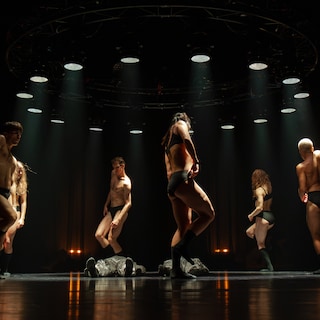
The dance performance L.A.V.A. by Pieter C. Scholten and Emio Greco translates the geological intensity of volcanic eruptions into movement using distinct color-coded ensembles for dancers. Although the work offers a visually compelling representation of lava and earth, it fails to fully explore the intended philosophical questions regarding human connection to the planet.
The dance performance L.A.V.A., created by Pieter C. Scholten and Emio Greco, explores themes of geological violence and human fascination with volcanic forces. Drawing inspiration from vulcanologists Katia and Maurice Krafft, the production features dancers dressed in orange and brown tones to represent molten lava, while others represent the earth's crust. Their movements incorporate a signature blend of classical technique and animalistic fluidity, using rhythmic patterns to articulate their interaction with the volatile elements of nature.
Despite the powerful imagery, the production struggles to maintain tension. The two mysterious figures observing the dancers remain largely disconnected from the central movement, leading to a lack of narrative depth. While the performance invites reflections on human origins and our connection to the planet, these themes remain underdeveloped throughout the long sequences of physical exertion and complex rhythmic counting. The performance eventually concludes with the dancers shedding their costumes, yet the observers remain detached, leaving the overarching questions about human stewardship of the Earth largely unaddressed.
Based on reporting by parool. Translated and condensed by LocalHeadlines.