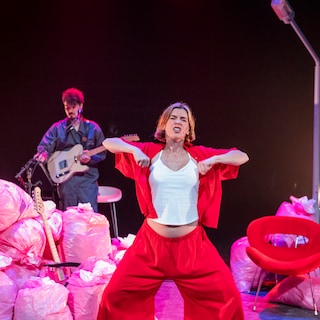
In Folk, Dunja Jocić shows the power of dancing together
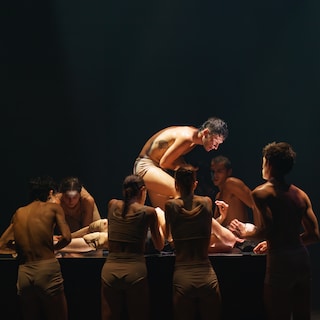
In the dance performance Folk, choreographer Dunja Jocić explores both the empowering potential of collective movement and the darker, exclusionary side of group identity. Through a blend of club and traditional dance styles, the piece examines how physical synchronization creates a powerful sense of unity while simultaneously highlighting the risks of social conformity.
In her latest performance Folk, choreographer Dunja Jocić explores the powerful dynamics of group dancing and the collective energy that emerges when individuals synchronize their movements. The piece features eight dancers who begin as separate entities but eventually link together, transforming into a unified force that demonstrates the intense bond created through movement. The choreography contrasts the individualistic nature of club dancing with the structured power of traditional folk styles, where lines and circles amplify shared physical energy. The experience is enhanced by a compelling soundscape, leaving the audience feeling an almost visceral connection to the performers on stage.
However, Jocić also delves into the darker implications of collective identity. Drawing on her own background, she illustrates how a strong sense of unity can lead to exclusion, conformity, and internal power struggles. The narrative depicts the pressure to conform, the alienation of the outsider, and the potentially destructive nature of group dynamics. Ultimately, Folk is a provocative examination of human connection that feels deeply relevant to contemporary society.
Based on reporting by parool. Translated and condensed by LocalHeadlines.