From forbidden profession to established guild: this triangular building on the Nieuwezijds Voorburgwal housed the Brokers' Guild for centuries
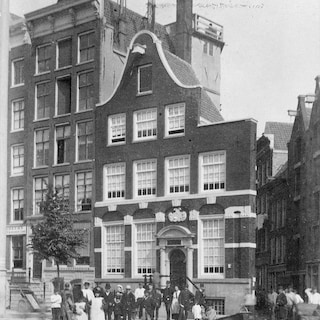
The Amsterdam Brokers Guild, originally faced with legal prohibitions in the 15th century, evolved into a well-established organization that commissioned its own historic headquarters on the Nieuwezijds Voorburgwal in 1634. Despite the abolition of the guild system during the French occupation, the group maintained operations for centuries before the building was eventually sold for one euro to a preservation association in 2002.
In the 13th century, brokerage was recognized in Dordrecht, though it faced early religious and legal opposition in Amsterdam. By 1495, the Amsterdam city government had declared such trade agreements illegal. However, competitive pressure from other merchant cities forced a change in policy, leading to the official legalization of brokerage in 1530 and the formal establishment of the Brokers Guild in 1578. The guild eventually acquired a property on the Nieuwezijds Voorburgwal, where they constructed a new guild house in the Dutch Renaissance style, completed in 1634. Throughout the following centuries, the structure underwent various renovations, including significant changes to its gable and facade inscriptions. While the guild system was officially abolished during the French era, the brokers continued their activities in a modified form until the 20th century. In 2002, the historic building was transferred to the Vereniging Hendrick de Keyser for a symbolic price of one euro to ensure its preservation.
Based on reporting by parool. Translated and condensed by LocalHeadlines.