rss

Former Bijlmerbajes kitchen to become nightclub for 3000 visitors
Former Bijlmerbajes kitchen to become nightclub for 3000 visitors

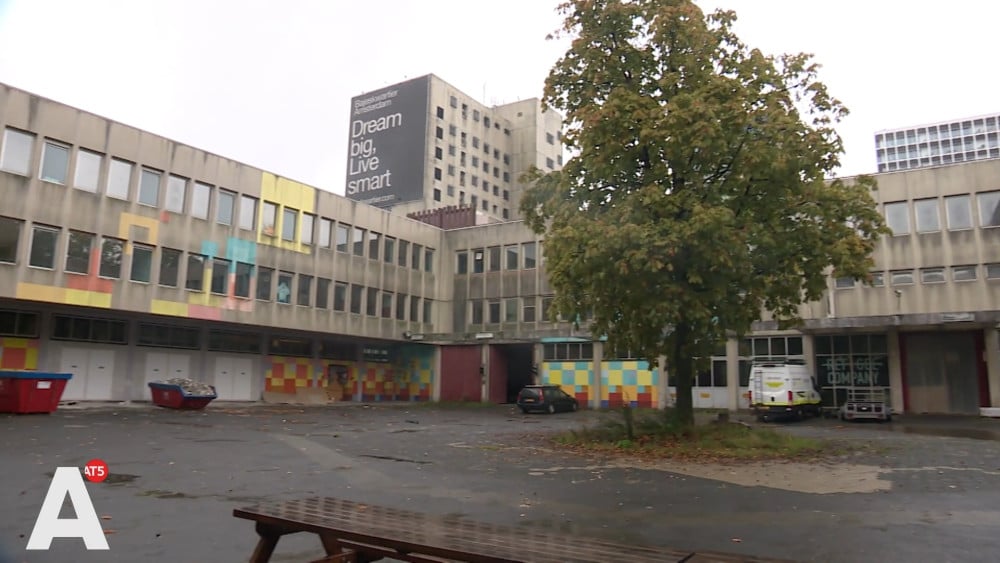
A former prison kitchen at the Bijlmerbajes in Amsterdam is being transformed into a large-scale nightclub called Bajes, capable of hosting 3,000 visitors. The new venue is set to open during the Amsterdam Dance Event and will also feature art exhibitions and ballet performances.

The former Bijlmerbajes prison in Amsterdam, which previously held hundreds of inmates, is expanding its nightlife presence by converting its old kitchen into a massive new nightclub called Bajes. Co-owners Wouter Flipse and Bas van Wersch revealed that the venue will have the capacity to host 3,000 guests, offering a new entertainment space in the eastern part of the city. While the interior has been repurposed for modern nightlife, subtle remnants of the building's past, such as historic stickers on the windows, remain visible. The venue is scheduled to launch during the upcoming Amsterdam Dance Event, with opening night performances by Job Jobse and Chris Stussy already sold out. Beyond dance music, the facility intends to host ballet performances and various art exhibitions. Although the operators currently hold a two-year permit for the site, they are hopeful about securing an extension to keep the cultural project running longer, despite the unpredictable nature of the local real estate market.

Based on reporting by rss. Translated and condensed by LocalHeadlines.
Related articles

Opinion: A man was masturbating on metro 53. Is Amsterdam doing enough to protect women in Zuidoost?

Opinion: A man was masturbating on metro 53. Is Amsterdam doing enough to protect women in Zuidoost?

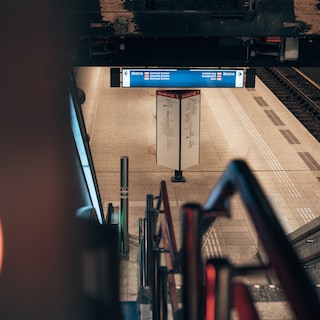
An incident of public indecency on Amsterdam's metro line 53 has sparked criticism regarding the safety of women traveling to the Zuidoost district at night. The upcoming cancellation of the direct route to Centraal Station is being labeled a setback for safety, with calls for the city to prioritize infrastructure improvements and maintain direct transport links.

'The worst part? That the whole street watched as they followed me and called me names': this is what everyday violence against queer people in Amsterdam looks like

'The worst part? That the whole street watched as they followed me and called me names': this is what everyday violence against queer people in Amsterdam looks like

Five queer residents of Amsterdam have shared personal testimonies describing a rising climate of hate, intimidation, and violence against the LGBTQ+ community. These individuals report that anti-queer sentiment is becoming increasingly normalized among both youth and adults throughout the Netherlands.

The Bear has nothing on this: inside the kitchen of the award-winning Cradam

The Bear has nothing on this: inside the kitchen of the award-winning Cradam

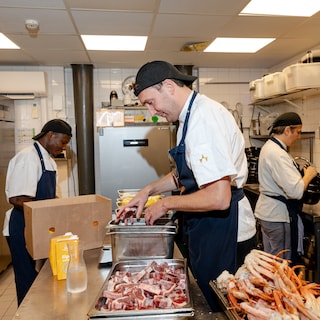
Café-Restaurant Amsterdam is celebrating its anniversary while managing a high-volume service that sees around six hundred reservations on weekend days. The kitchen staff maintains a fast-paced environment to handle the constant influx of food orders.

The year of young internet pioneers, bagels and coffee to go: was 1996 the year Amsterdam became a metropolis?

The year of young internet pioneers, bagels and coffee to go: was 1996 the year Amsterdam became a metropolis?

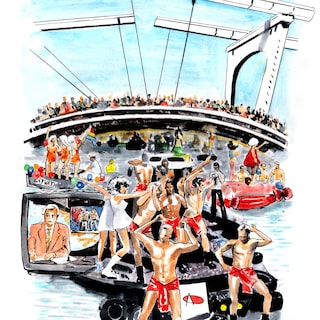
The year 1996 is highlighted as a transformative period for Amsterdam, marked by significant infrastructure projects like the Amsterdam Arena and the initial planning for the Noord/Zuidlijn. This era also saw the launch of the Canal Parade and the rise of new cultural trends that helped shift the city toward a more metropolitan status.

I only remember bits and pieces of Amsterdam in 1996

I only remember bits and pieces of Amsterdam in 1996

Many prominent Amsterdam institutions, including the Johan Cruijff Arena and the Amsterdam Dance Event, are celebrating their thirtieth anniversary in 2024. This wave of milestones highlights 1996 as a transformative year when the city's creative energy and infrastructure projects laid the foundation for its modern identity.