nu

Possible discrimination at UWV is no incident: 'I was afraid of this'
Possible discrimination at UWV is no incident: 'I was afraid of this'

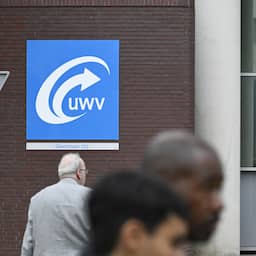
Recent reports suggest that the Dutch employee insurance agency, UWV, may be unfairly targeting individuals with non-Dutch backgrounds for stricter fraud penalties. While the agency has launched an external investigation into its enforcement methods, experts argue that deep-seated institutional discrimination requires more comprehensive internal reform than currently proposed.

Recent media reports indicate that the Dutch employee insurance agency, UWV, may be systematically discriminating against individuals with non-Dutch surnames by imposing more frequent and harsher fraud penalties. While the agency denies that country of origin is part of its official workflow, former employees have corroborated that biases exist within the organization. Evidence has surfaced of historical documents listing national origin as a risk factor, alongside concerns regarding the use of demographic profiling tools like postal codes. Experts argue that such institutional biases extend beyond isolated incidents and reflect broader systemic issues within government agencies.

In response to the allegations, the UWV has initiated an external investigation into its enforcement practices, which is expected to conclude in 2026. Experts such as Joyce Sylvester and Hanneke Felten emphasize that superficial diversity initiatives are insufficient, advocating for deeper self-reflection and the implementation of specific discrimination assessment tools. The situation has drawn comparisons to previous government scandals, highlighting the urgent need for structural change to prevent discriminatory practices from causing further harm to citizens.

Based on reporting by nu. Translated and condensed by LocalHeadlines.

Related articles

Cabinet plan to protect children online: 'They are facing unacceptable risks'

Cabinet plan to protect children online: 'They are facing unacceptable risks'

The Dutch government has unveiled a new strategy to protect children online, focusing on curbing harmful social media design, evaluating an EU-wide age limit for platforms, and banning mobile phones in all schools. The initiative also prioritizes combatting online radicalization among youth and ensuring that future digital safety measures involve input from both parents and children.

UWV applies double standards in fraud cases: bicultural surnames receive higher fines

UWV applies double standards in fraud cases: bicultural surnames receive higher fines

An investigation has revealed that the Dutch Employee Insurance Agency (UWV) imposes more frequent and higher fraud penalties on individuals with bicultural surnames. Internal documents and employee testimonies suggest that systemic discrimination is embedded within the agency's enforcement department.

Dutch royal house earned over half a billion euros from colonial past

Dutch royal house earned over half a billion euros from colonial past

A historical study has revealed that the Dutch royal house accumulated over 566 million euros from colonial activities in the East Indies, West Africa, and the Americas between 1600 and 2025. While the monarchy gained significant wealth and prestige from these colonial ties, researchers found that their involvement in the trans-Atlantic slave trade yielded minimal financial success.

Housing, industry and nature: who gets the space along the North Sea Canal?

Housing, industry and nature: who gets the space along the North Sea Canal?

The Noordzeekanaal area is experiencing increasing pressure as industrial needs, new housing projects, and nature conservation compete for limited space. A new television series commemorates the canal's 150th anniversary by exploring how these different sectors coexist and evolve within the region.

Netherlands returns diamond from Rijksmuseum and other objects to Indonesia

Netherlands returns diamond from Rijksmuseum and other objects to Indonesia

The Netherlands is returning various historical artifacts, including the diamond of Banjarmasin, to Indonesia following evidence that they were acquired through involuntary loss during the colonial era. The official confirmation of the transfer took place in Amsterdam, with the objects expected to return to Indonesia early next year.