nu

European aviation sector wants to adjust border controls after prolonged problems
European aviation sector wants to adjust border controls after prolonged problems

European aviation organizations are demanding reforms to the EES border system, including more automated gates and the ability to suspend biometric checks during peak congestion. The system, implemented in April, has frequently caused excessive wait times at airports, leading to missed flights and logistical disruptions across the continent.

The European aviation sector is calling for significant adjustments to border control procedures following the implementation of the new Entry/Exit System (EES). Industry bodies, including ACI EUROPE and Airlines for Europe, are requesting the removal of redundant checks and the installation of more automated border gates to alleviate congestion. They suggest that nations should have the flexibility to temporarily suspend biometric data collection, such as fingerprinting and facial scanning, during periods of extreme wait times to prevent overcrowding in airport terminals.

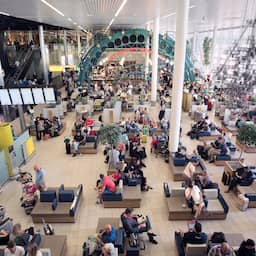
Since the EES replaced traditional passport stamping across 29 countries in April, airports have struggled with severe delays, sometimes reaching up to five hours. These bottlenecks have caused numerous passengers to miss flights, leading to logistical challenges such as the use of temporary tents at some locations and reports of unacceptable wait times at major hubs like Schiphol. Industry leaders blame these ongoing issues on technical malfunctions, insufficient automated infrastructure, staffing shortages, and a lack of effective pre-registration tools.

Based on reporting by nu. Translated and condensed by LocalHeadlines.

Related articles

EU selects 46 raw materials projects to reduce dependence on China

EU selects 46 raw materials projects to reduce dependence on China

The European Commission has launched 46 projects across sixteen countries to reduce reliance on China for vital raw materials like lithium and copper. These initiatives, supported by prioritized permits and funding assistance, aim to significantly boost domestic processing and recycling capacity by 2030.

Gasoline prices headed for record highs due to ongoing Middle East unrest

Gasoline prices headed for record highs due to ongoing Middle East unrest

Gasoline prices in the Netherlands are nearing record levels due to supply chain disruptions caused by ongoing conflict in the Middle East. Disruptions near the Strait of Hormuz and regional violence have restricted global oil shipments, pushing the price of Euro95 to nearly 2.73 euros per liter.

Belgian strike affects train passengers to and from the Netherlands

Belgian strike affects train passengers to and from the Netherlands

A 24-hour rail strike in Belgium is causing significant travel disruptions, including canceled train services to and from the Netherlands and approximately 140 flight cancellations at Brussels Airport. Passengers are advised to check updated travel schedules as labor unions protest government austerity measures through widespread industrial action.

Electric cars are driving further into Europe, but watch out for hidden costs in France

Electric cars are driving further into Europe, but watch out for hidden costs in France

Dutch electric vehicle drivers are increasingly traveling further across Europe, but the ANWB warns that hidden costs like blocking fees remain a problem in countries such as France. Drivers are advised to check tariff details in charging apps to avoid significant unexpected charges for staying connected to a station after a battery is full.

Euro hits seventeen-month low due to political unrest in Europe

Euro hits seventeen-month low due to political unrest in Europe

The euro has hit a seventeen-month low against the dollar due to mounting political and economic instability in France and Spain. Experts warn that this European market volatility and rising debt concerns could eventually exert upward pressure on Dutch mortgage rates.