nu

Meta has no plans to pull controversial smart glasses from the market

Meta has no plans to pull controversial smart glasses from the market

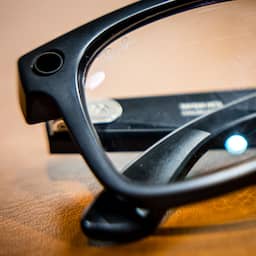
Meta refuses to withdraw its smart glasses from the market despite intense criticism from Dutch privacy organizations regarding the potential for covert filming. In response, these groups are initiating legal proceedings against the company, even as Meta insists that its built-in safety features and local storage policies are sufficient.

Meta has confirmed it will not remove its smart camera glasses from the market despite increasing privacy concerns and legal pressure from Dutch organizations. Groups including the Consumentenbond, Offlimits, and The Firewall argue that the glasses allow for covert filming, which could capture sensitive personal data regarding health, religion, or political views. While Meta maintains that the built-in indicator light provides sufficient notice to bystanders, critics contend that the light is often overlooked and easily tampered with, necessitating a legal challenge to force action. Meta executive Alex Himel stated that the company is working to improve algorithms to detect when the recording light is obstructed and will penalize users who misuse the technology. He also emphasized that user images are generally stored locally on personal devices rather than on Meta servers unless the artificial intelligence features are specifically engaged. Despite a majority of the Dutch parliament voting for stricter regulations, the government currently opposes a total ban, favoring existing legal pathways to address instances of abuse.

Based on reporting by nu. Translated and condensed by LocalHeadlines.
Related articles

EU selects 46 raw materials projects to reduce dependence on China

EU selects 46 raw materials projects to reduce dependence on China

The European Commission has launched 46 projects across sixteen countries to reduce reliance on China for vital raw materials like lithium and copper. These initiatives, supported by prioritized permits and funding assistance, aim to significantly boost domestic processing and recycling capacity by 2030.

Electric cars are driving further into Europe, but watch out for hidden costs in France

Electric cars are driving further into Europe, but watch out for hidden costs in France

Dutch electric vehicle drivers are increasingly traveling further across Europe, but the ANWB warns that hidden costs like blocking fees remain a problem in countries such as France. Drivers are advised to check tariff details in charging apps to avoid significant unexpected charges for staying connected to a station after a battery is full.

AI-generated child abuse imagery on the rise: 'No longer distinguishable from reality'

AI-generated child abuse imagery on the rise: 'No longer distinguishable from reality'

AI-generated child sexual abuse imagery has surged by 40 percent in the first half of this year, with experts warning that these images are increasingly difficult to distinguish from reality. In the Netherlands, authorities are calling for stricter enforcement and better education, as even the creation of images depicting non-existent children remains a serious criminal offense.

Hack of Danish population register serves as wake-up call for the Netherlands: This could happen here too

Hack of Danish population register serves as wake-up call for the Netherlands: This could happen here too

A major cyberattack on the Danish population register has exposed the data of nine million people after hackers infiltrated the system through a third-party supplier. Cybersecurity experts warn that the Netherlands is similarly vulnerable to such attacks and must urgently re-evaluate its data protection strategies for government systems.

Norway to temporarily ban AI glasses in crowded places

Norway to temporarily ban AI glasses in crowded places

Norway is introducing a temporary ban on AI smart glasses in busy public spaces due to privacy concerns regarding unauthorized recording. The Netherlands is also debating the issue, with local retailers pulling the products from shelves as the government investigates potential legal restrictions.