nu

Regional transport workers go on strike: 'I want to stand up for my future'
Regional transport workers go on strike: 'I want to stand up for my future'

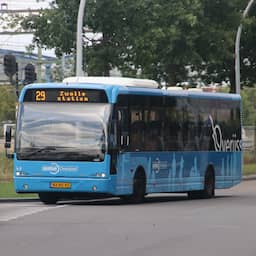
Regional bus drivers in the Netherlands have launched a series of strikes to protest proposed changes to their work schedules and longer, ten-hour shifts. The workers argue these new conditions negatively impact their personal lives and safety, while employers maintain that negotiations should have been handled without industrial action.

Regional bus drivers in the Netherlands are engaging in strikes to protest proposed changes to their collective labor agreement. Drivers like Udo Schuurmans and Wim van den Hoek object to plans that would shorten notice periods for schedules and extend workdays to ten hours, including unpaid breaks. They argue these adjustments unfairly impact their private lives and compromise safety due to the high levels of concentration required for driving. The strike affects approximately thirteen thousand employees in city and regional transport, excluding major urban centers like Amsterdam. FNV union plans to conduct rolling strikes until Christmas, with dates announced 48 hours in advance to maintain pressure on employers.

While some drivers view strikes as essential for protecting working conditions, others like Stefan Specken express reservations, noting the negative impact on passengers who rely on public transport. Meanwhile, the Association of Employers in Public Transport has expressed disappointment, stating that they hoped for a resolution through negotiations rather than industrial action.

Based on reporting by nu. Translated and condensed by LocalHeadlines.
Related articles

Ahold Delhaize loses 787 million euros in market value in one day due to IT crisis

Ahold Delhaize loses 787 million euros in market value in one day due to IT crisis

Parent company Ahold Delhaize lost 787 million euros in market value in one day due to a major IT crisis impacting its retail chains. The technical disruption has caused logistics issues and empty shelves, though the company says it is working to resolve the situation.

Surprise over Meta CEO's comments on AI glasses, Dutch foundation files summary proceedings

Surprise over Meta CEO's comments on AI glasses, Dutch foundation files summary proceedings

Dutch advocacy group Offlimits is taking Meta to court to stop the sale of its AI smart glasses, citing widespread misuse of the device's camera for non-consensual filming. While Meta maintains the product is safe and defends its utility, the organization argues the device violates privacy laws and poses a significant threat to public safety.

Promising cloud company becomes first customer to commit to AI gigafactory plan in Port of Rotterdam

Promising cloud company becomes first customer to commit to AI gigafactory plan in Port of Rotterdam

The cloud company Nebius, based in Amsterdam, has signed on as the first client for a proposed AI gigafactory in Rotterdam. Although the project faces significant funding challenges and a lack of direct government subsidy, developers remain committed to building the facility to bolster Dutch computing power.

Housing, industry and nature: who gets the space along the North Sea Canal?

Housing, industry and nature: who gets the space along the North Sea Canal?

The Noordzeekanaal area is experiencing increasing pressure as industrial needs, new housing projects, and nature conservation compete for limited space. A new television series commemorates the canal's 150th anniversary by exploring how these different sectors coexist and evolve within the region.

DNB president continues to push for abolition of mortgage interest deduction

DNB president continues to push for abolition of mortgage interest deduction

De Nederlandsche Bank President Sleijpen has reiterated his call for the complete abolition of the mortgage interest deduction in the Netherlands, arguing it no longer serves an economic purpose. He claims the annual 10 billion euro policy disproportionately benefits owners of expensive homes and should have been phased out when interest rates were lower.