Willet-Holthuysen museum exhibition exposes financing of Surinamese plantations
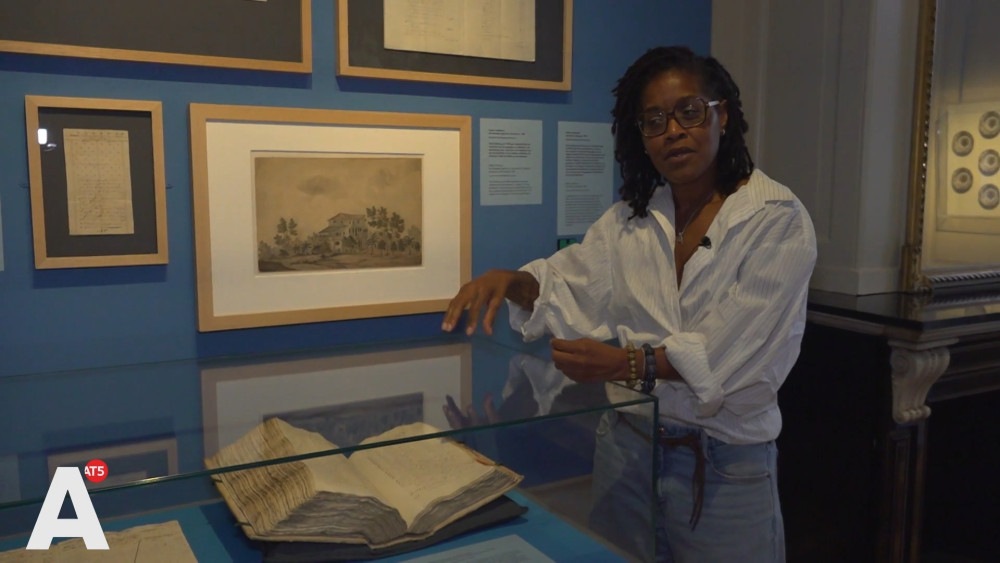
A new exhibition at Huis Willet-Holthuysen in Amsterdam explores the historical connections between the canal house and the financing of colonial plantations in Suriname. The project reveals how former residents profited from the slave trade and highlights recently discovered records containing the names of 125 enslaved people.
The museum Huis Willet-Holthuysen in Amsterdam has launched a new exhibition titled Plantage aan de gracht, which examines the historical role of the property in financing plantations in Suriname. During the 18th century, the residence served as a base for financier Willem Deutz, who provided loans to plantation owners in exchange for exclusive rights to sell colonial products like coffee and sugar. Later, merchant Fredrik Berewout resided in the building and directly owned several plantations, including Jagtlust.
During his research for the exhibition, curator Thijs Boers discovered archival documents containing the names of 125 enslaved individuals who worked on these plantations. These findings highlight the dehumanizing nature of the slave trade, where people were treated merely as financial assets. To honor their memory, the names are being read aloud as part of an audio tour recorded by presenter Dolores Leeuwin, a descendant of enslaved people. The exhibition aims to shed light on these forgotten stories and the profound human cost behind the wealth generated by the canal house owners.
Based on reporting by rss. Translated and condensed by LocalHeadlines.