De Munt was briefly renamed Sophiaplein, but Amsterdammers kept calling it De Munt
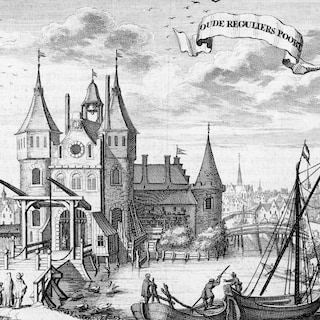
Historical structures in Amsterdam, such as the Waag and the Munt, evolved from city gates into landmarks named after their later functions. The Munt, specifically, earned its name during the 1672 disaster year when the city was granted temporary authority to mint coins, a name that survived even an official attempt to rename the square Sophiaplein.
The Schreierstoren, the Waag, and the Munt were originally components of Amsterdam's 15th-century city wall. The Waag, previously known as the Sint Antoniespoort, was renamed due to its function in weighing heavy goods. Similarly, the Regulierspoort became known as the Munt because it served as a site for minting coins. After a fire in 1618, Hendrick de Keyser rebuilt part of the structure, adding a wooden spire that initially featured a golden ox, which was later lost in a storm.
During the Rampjaar of 1672, the threat of invasion made transporting precious metals to official mints too dangerous. Consequently, Amsterdam received temporary authority to mint currency at the former Regulierspoort. Mint master Gerrit van Romond operated there for one year, establishing the name de Munt among residents. Despite an 1877 official renaming to Sophiaplein in honor of Queen Sophie, the original popular name persisted, demonstrating the lasting power of local naming conventions in the city.
Based on reporting by parool. Translated and condensed by LocalHeadlines.