nu

Buying cheap cigarettes in Germany? Excise duties are rising sharply there too
Buying cheap cigarettes in Germany? Excise duties are rising sharply there too

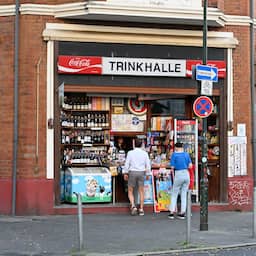
Germany has approved major increases to tobacco taxes and introduced new levies on sugary soft drinks and certain alcoholic beverages. These measures, aimed at improving public health and boosting government revenue, will significantly impact Dutch consumers who currently cross the border to buy cheaper products.

The German government has approved significant increases in excise duties on tobacco, which will impact consumers who frequently travel from the Netherlands to purchase cheaper products. Starting next year, tobacco prices will rise annually, with a pack of twenty cigarettes expected to cost 11.36 euros by 2030, up from the current average of 8.05 euros. These measures, which also target loose tobacco and vape liquids, are designed to boost the German treasury and improve public health. The total tax revenue from these tobacco hikes is projected to reach over 12 billion euros between 2027 and 2030.

In addition to tobacco, Germany is introducing new taxes on sugary soft drinks and higher duties on certain alcoholic beverages. Beginning in 2027, soft drinks containing more than 5 grams of sugar per 100 milliliters will face a levy, while taxes on spirits, sparkling wine, and mixed alcoholic drinks will rise by 20 percent. However, beer and still wine are excluded from these additional levies. Officials estimate that these combined fiscal measures will help offset health insurance costs and curb sugar-related medical expenses.

Based on reporting by nu. Translated and condensed by LocalHeadlines.

Related articles

Vacancy | NU.nl is looking for a social economy and healthcare reporter

Vacancy | NU.nl is looking for a social economy and healthcare reporter

NU.nl is hiring a reporter specializing in social economy and healthcare to produce original, investigative stories for its audience. The full-time position requires three years of experience and is based in Amsterdam-Duivendrecht.

Albert Heijn online grocery delivery unavailable until at least Tuesday, customer data appears safe for now

Albert Heijn online grocery delivery unavailable until at least Tuesday, customer data appears safe for now

Albert Heijn has suspended all online grocery deliveries until at least Tuesday due to a cyber incident that also took down its websites and apps. While the supermarket reports no evidence of data theft, authorities are urging the company to file an official police report to support the ongoing investigation.

ANWB acquires NextEnergy to become a major player in the energy market

ANWB acquires NextEnergy to become a major player in the energy market

The ANWB is acquiring energy supplier NextEnergy to expand its presence and capabilities in the dynamic energy market. The merger, which still requires regulatory approval, will allow the ANWB to leverage NextEnergy's smart technology to help customers optimize their energy usage.

New setback for Zuidasdok: further delays and major concerns over funding

New setback for Zuidasdok: further delays and major concerns over funding

The Zuidasdok infrastructure project in Amsterdam faces significant delays and a funding shortfall of over one billion euros, leaving the completion of critical tunnels uncertain. Local officials are concerned that the lack of national financial commitment will cause years of construction disruption and threaten the economic stability of the district.

Food banks relieved as Albert Heijn resumes operations: steady flow of donations restarts

Food banks relieved as Albert Heijn resumes operations: steady flow of donations restarts

Albert Heijn has restored its distribution operations, allowing the resumption of vital food donations to Voedselbanken Nederland after a brief disruption. The partnership is critical for the organization, which supports over 155,000 people annually and relies heavily on the constant supply of products from the supermarket chain.