The first time I saw Cabaret, I thought writer Joe Masteroff was a visionary

This column discusses the film Spinoza and the musical Cabaret, both of which explore historical themes of freedom and social progress that remain relevant today. By reflecting on the fictionalized friendship between Spinoza and Rembrandt in 17th-century Amsterdam and the enduring messages of Cabaret, the author finds comfort in the persistence of these vital human ideals.
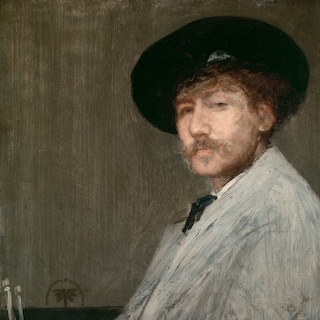
The film Spinoza, directed by the late Rudolf van den Berg, features actor Bart Bijnens as a young version of the philosopher living in a pest-stricken 17th-century Amsterdam. The narrative depicts a fictional friendship between Spinoza and the painter Rembrandt van Rijn, using their interactions to explore themes of freedom, progress, and political instability. While the historical meeting between these two figures remains unproven, the film highlights enduring human tensions that resonate in modern times.
In a similar vein, the musical Cabaret, premiering at the DeLaMar theater, explores themes of sexual fluidity and discrimination through the lens of 1920s Berlin. While these subjects were once perceived as visionary for the 1960s, it is clear that such ideas have deep historical roots. Reflecting on these recurring patterns, the author finds solace in the fact that the struggle for freedom and tolerance has long been a part of human history, providing hope for future progress despite current societal challenges.
Based on reporting by parool. Translated and condensed by LocalHeadlines.