ad

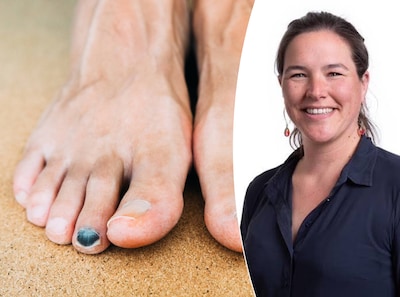
Painful, black toenails after running: this is 'runner's toe' and how you can prevent it
Painful, black toenails after running: this is 'runner's toe' and how you can prevent it

Runners toe, or a subungual hematoma, is a frequent injury caused by repetitive impact or direct pressure on the toes, often affecting endurance athletes. While usually harmless, the condition results in painful bruising under the nail that can take months to fully resolve as the nail grows out.

Runners toe, scientifically known as a subungual hematoma, is a common injury characterized by blood pooling under the toenail. Sports physician Sandra Chung explains that this condition typically results from repetitive trauma, such as feet sliding forward in shoes during long-distance running or soccer matches, causing the toes to strike the front of the shoe repeatedly. While often associated with marathon runners and athletes, it can also stem from direct impact injuries. Although the condition is generally harmless, the trapped blood creates significant pressure under the nail, which can be quite painful.

Prevention centers on ensuring proper footwear that avoids uncomfortable pressure points, though experts advise against using tape as it offers little protective benefit. Maintaining short toenails and improving core and leg stability may help athletes sustain better form and reduce stress on the feet. If pain persists, cooling the area or consulting a professional to relieve pressure through the nail may provide relief. Because the discoloration persists until the nail fully regenerates, recovery can take several months.

Based on reporting by ad. Translated and condensed by LocalHeadlines.
Related articles

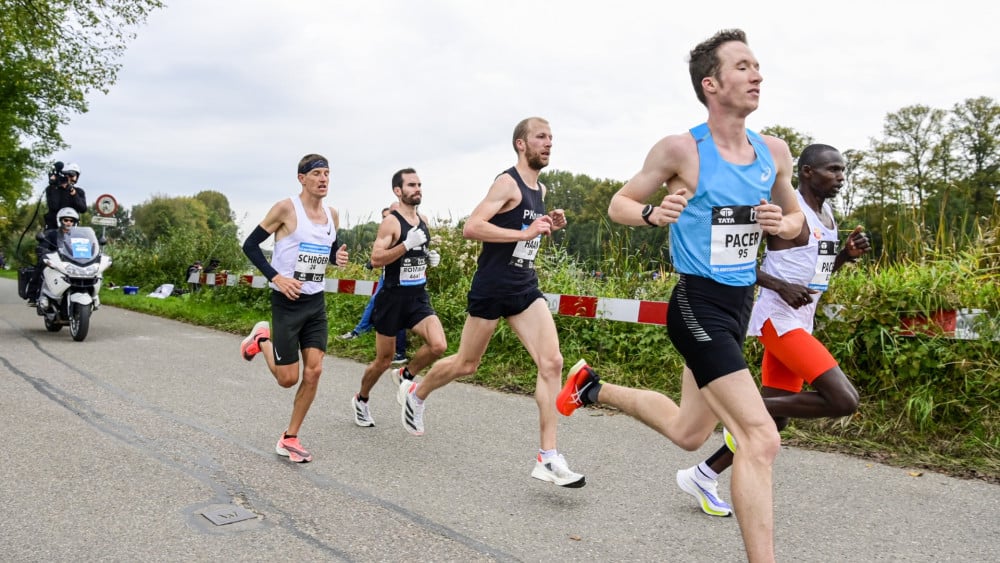
Aid worker Tim has been volunteering at Amsterdam Marathon for nearly nine years

Aid worker Tim has been volunteering at Amsterdam Marathon for nearly nine years

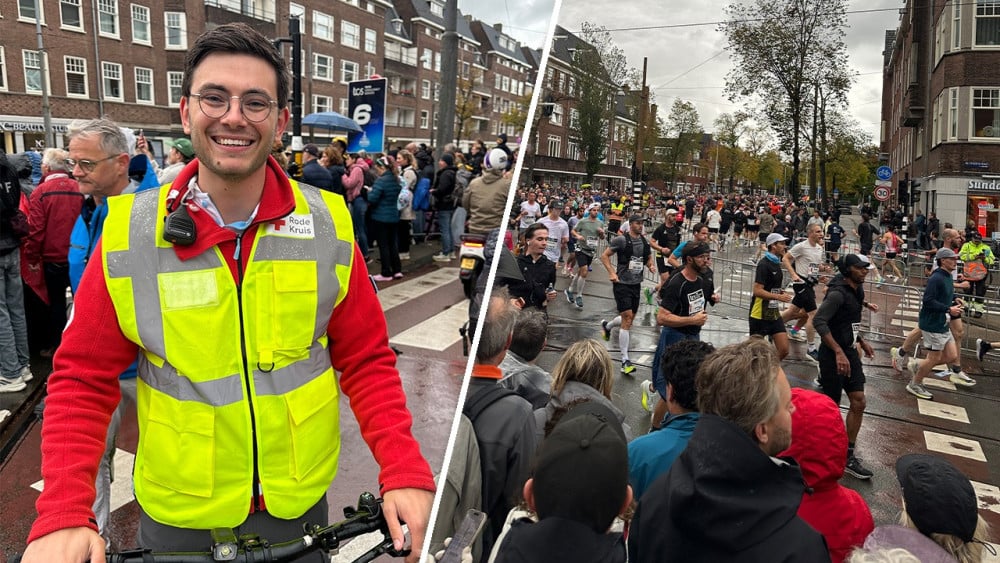
Tim Zandbergen has volunteered as a first aid responder for the Amsterdam Marathon for nearly nine years, using his bicycle to provide rapid medical assistance. He carries essential equipment like an AED to help participants and spectators during emergencies, including life-threatening situations.

How to recover after a marathon: Five tips from a physiotherapist

How to recover after a marathon: Five tips from a physiotherapist

Physical therapist Milou Schooneman offers recovery tips for participants of the Amsterdam Marathon, emphasizing the need for gentle movement, proper nutrition, and hydration. She advises runners to gradually rebuild their training intensity over the week following the race and to seek medical advice if muscle pain persists.

NH gets an exclusive look: this is what Amsterdam Marathon top runners eat for breakfast

NH gets an exclusive look: this is what Amsterdam Marathon top runners eat for breakfast

Elite athletes participating in the Amsterdam Marathon prioritize simple, familiar meals in the days leading up to the race to avoid digestive distress. Whether opting for plain bread with honey or traditional African staples like beans and eggs, competitors focus on consistency rather than dietary experimentation.

Freek Gillissen (1955-2026) was a tower of strength for people with dementia and their loved ones

Freek Gillissen (1955-2026) was a tower of strength for people with dementia and their loved ones

Freek Gillissen, a nursing consultant and co-founder of Alzheimercentrum Amsterdam, has died at the age of 71. He was highly regarded for his commitment to supporting both dementia patients and their families by fostering meaningful communication during the progression of the disease.

Rietje (87) trains for world record at 100: "I'm just going to try"

Rietje (87) trains for world record at 100: "I'm just going to try"

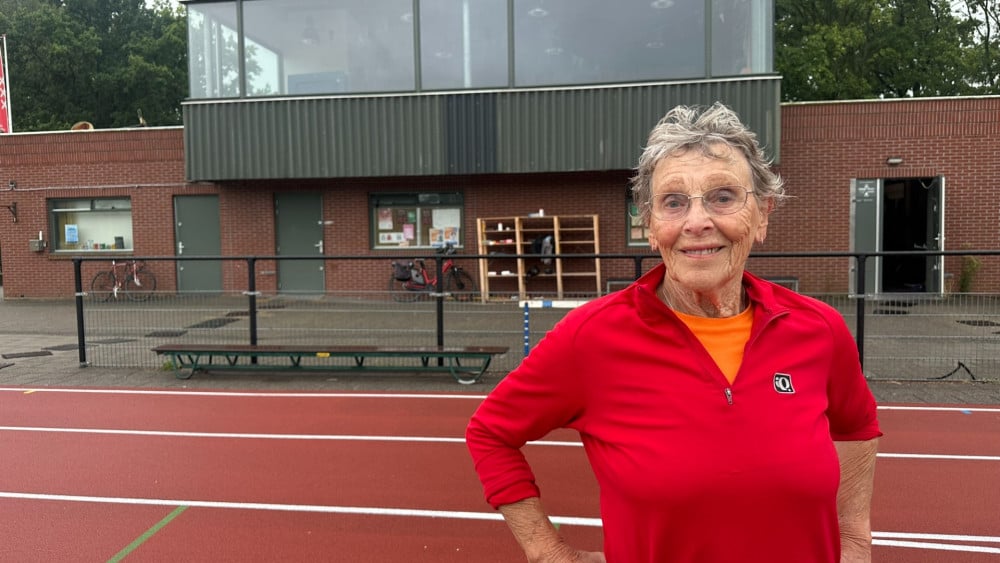
Eighty-seven-year-old Amsterdam resident Rietje Dijkman continues to train regularly for athletics competitions despite having two artificial hip replacements. She recently set a new Dutch record in the long jump and is now working toward her ambitious goal of breaking the world record for the 100-meter dash at age one hundred.